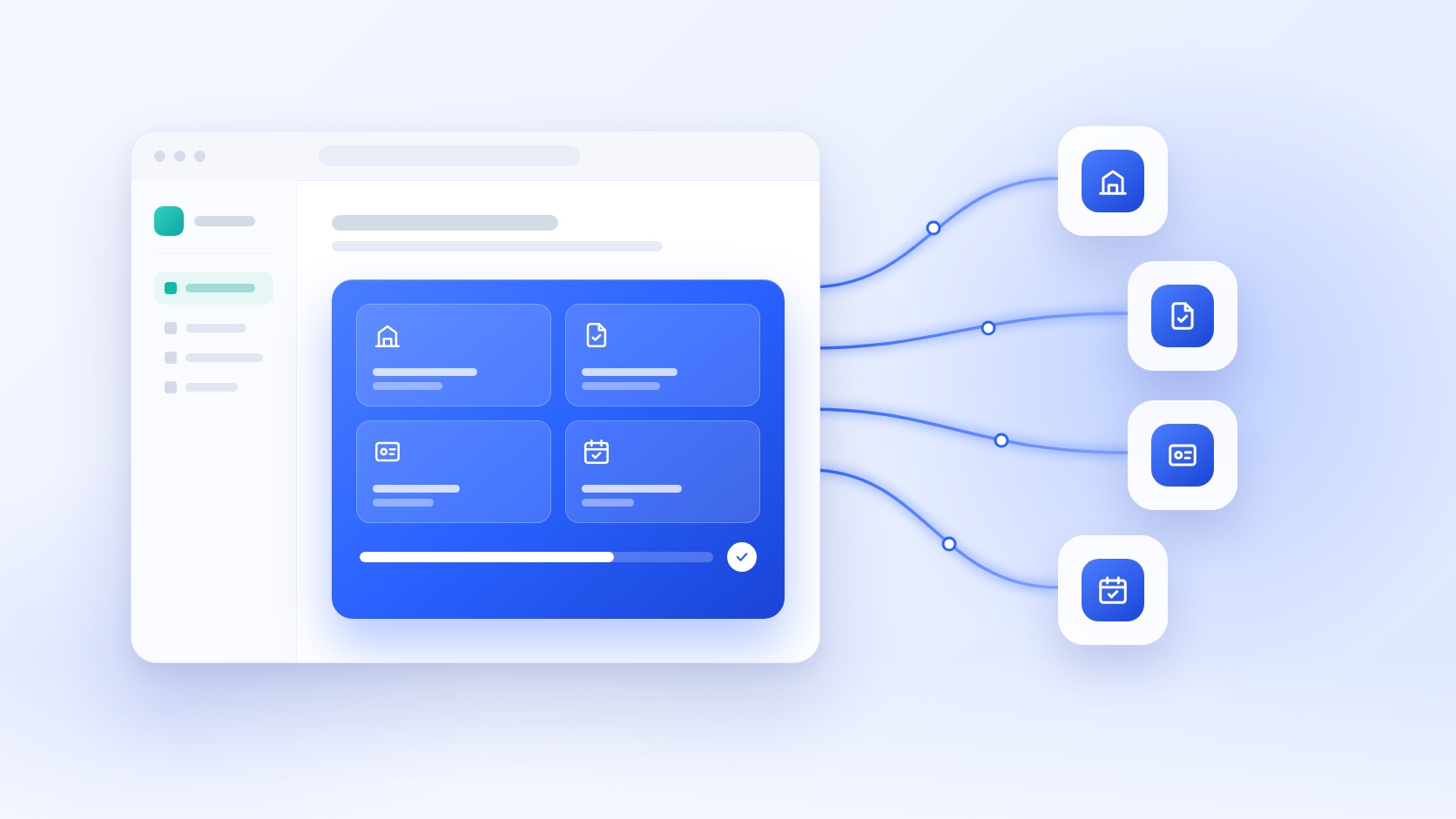

Fintech and SaaS companies will be able to provide U.S. tax, compliance and company formation services under their own branding following an expansion of the Clemta Partner API.
London, The United Kingdom: Clemta, the all-in-one service for forming and running a U.S. business, has unveiled a substantial extension to its Partner API. It means SaaS platforms, fintechs and professional service providers are able to embed tax filing, U.S. company formation, ongoing compliance and bookkeeping within their own products.
Clemta has worked with upwards of 21,000 entrepreneurs spread over 170+ countries, and that experience underpins the extension. Setting up a company, it has found, tends to open a lasting business relationship instead of closing one.
Customer data from the company points the same way: 92% of the entrepreneurs whose companies were formed by Clemta subsequently took up a minimum of one extra service. Across the customer base, the average stands at 3.4 services each.
Because customers keep needing help long after incorporation, Clemta has shaped its Partner API so that professional service providers, fintechs and SaaS platforms can assist them across the whole U.S. business lifecycle.
A Wider Remit Than Setting Up Companies
In its original form the Clemta Partner API dealt with company formation requests and status tracking. Today it extends to many more business operations, among them document management, EIN applications, tax filings, compliance requirements and service orders.
Partners need only integrate once to make available registered agent support, tax filing assistance, bookkeeping, company formation and a range of other post-incorporation solutions, depending on what their partnership agreement allows.
Also included in the release are a partner dashboard built for handling pricing, services and billing, a sandbox environment that allows thorough integration testing, and webhooks delivering automatic status notifications.
Branded Delivery Opens Up Revenue
Companies using the Partner API can put their own brand on U.S. business services and continue dealing with customers directly.
Clemta takes care of the operational work in the background, leaving each partner free to decide its retail prices and shape the experience its customers receive. There are no upfront commitments; the arrangement runs on partner-based pricing with consolidated monthly billing.
In practice, fintechs may add U.S. company formation as a step in their current onboarding journey. International clients of accounting firms could be offered additional services, and SaaS platforms gain business solutions while avoiding the job of developing operational capabilities in-house.
“Entrepreneurs shouldn’t have to move between disconnected platforms to establish and operate a U.S. business,” explained M. İlayda Şencan, CEO of Clemta. “We believe the next step is making these services available wherever entrepreneurs already manage their businesses. By opening our infrastructure to partners, we’re enabling other platforms to deliver a more complete experience while building new opportunities for their own growth.”
How Partners Can Join
Partners that qualify may sign up to the Clemta Partner API and the white-label program. Details of the program, together with technical documentation, can be found on the Clemta website.
Learn more: clemta.com/whitelabel-program
