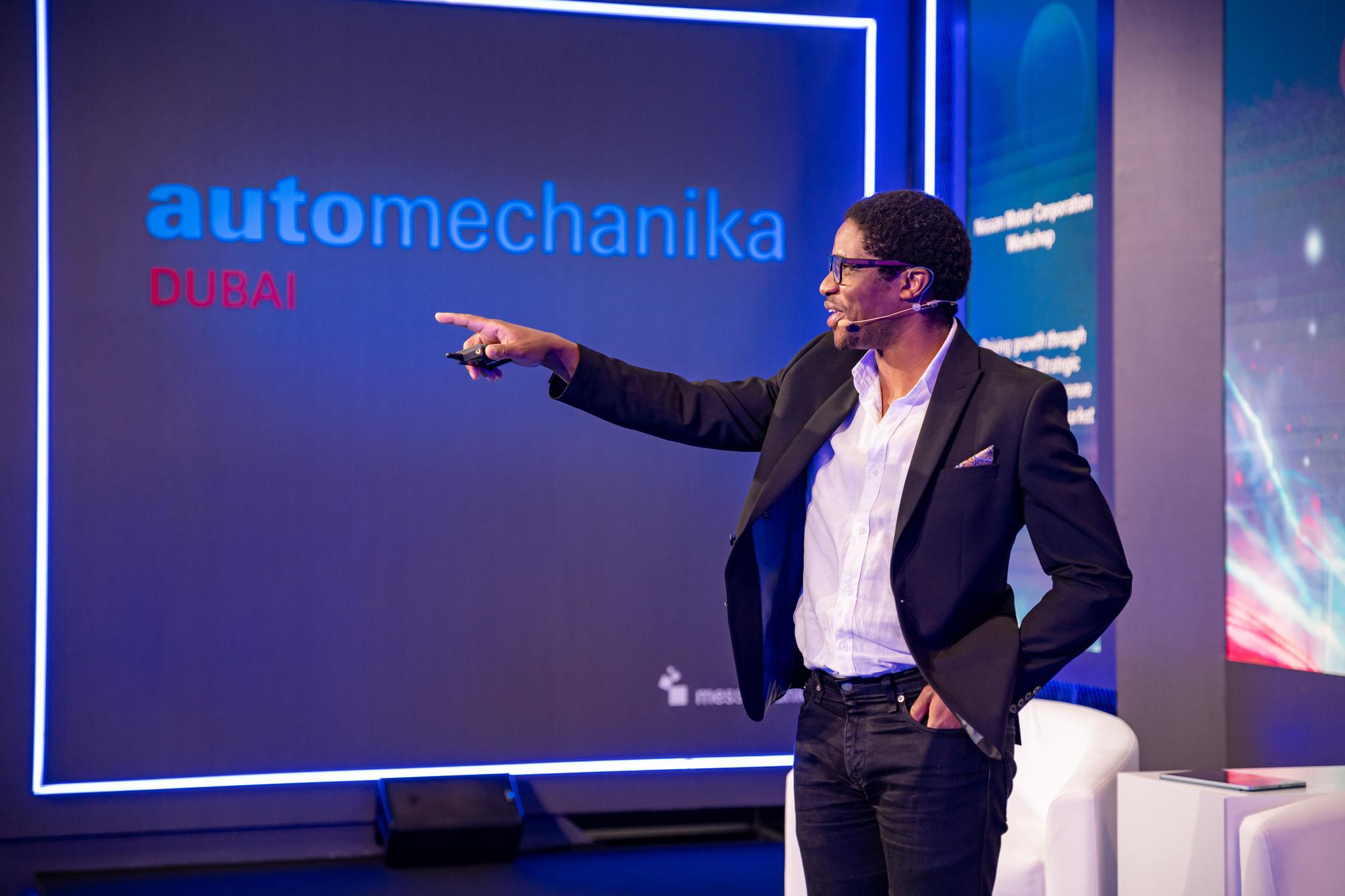

Automechanika Dubai, held 10 to 12 November 2026, offers UK companies direct access to trade buyers and industry professionals drawn from Africa, Asia and the Gulf.
London, UK: Suppliers of UK automotive aftermarket products stand to gain wider market access across the six Gulf states under the free trade agreement between the UK and the Gulf Cooperation Council (GCC). Negotiations between the two sides ended in May 2026, and the deal enters into force once both complete ratification. When it is fully implemented, tariffs will be removed on around 93% of the goods the UK exports to the GCC. According to the UK government, current UK exports would save around £580 million a year in duties.
The deal arrives as regional demand grows for automotive aftermarket businesses. Ken Research valued the GCC automotive aftermarket at USD 12 billion in 2025 and projects that it will rise to USD 16 billion by 2031.
Automechanika Dubai offers UK businesses a chance to study the market and form relationships before the agreement takes effect. Its 23rd edition takes place at Dubai Exhibition Centre (DEC), Expo City Dubai, from 10 to 12 November 2026. UK exhibitors and visitors can meet, in a single venue, workshop groups, importers and distributors from throughout the Gulf. Because Dubai acts as a re-export gateway, that reach stretches to key CIS markets, Africa and Asia. In 2025, 63 countries were represented among exhibitors, while visitors came from 161 countries.
The show is organised by Messe Frankfurt Middle East, with government backing from the UAE Ministry of Energy and Infrastructure (MOEI) and the Dubai Roads and Transport Authority (RTA). Dubai’s Department of Economy and Tourism (DET) acts as Host City Partner for the event.
Chris Lee, Portfolio Director, Mobility & Logistics at Messe Frankfurt Middle East, commented on the venue change: “After more than two decades at Dubai World Trade Centre, moving to Dubai Exhibition Centre at Expo City Dubai feels like the right next step for Automechanika Dubai. The market is changing quickly, and the show needs the space and flexibility to keep changing with it.”
“What we are seeing across the region is a more varied aftermarket,” according to Tommy Le, Show Manager at Automechanika Dubai. “Conventional vehicles remain a major part of the market, but hybrid, electric and connected vehicles are changing the products, skills and technical knowledge the industry needs. Automechanika Dubai 2026 will bring that evolving mix together, giving businesses the opportunity to understand where the market is heading and build the relationships they need as the show moves to Dubai Exhibition Centre for the first time.”
Organisers expect more than 1,200 exhibitors in 2026, coming from over 50 participating countries. Hanon Systems, Meyle, Hella, AUMOVIO and Al Mokamel are among them. Spanning 11 product sections along the value chain of the automotive aftermarket, the exhibition covers parts and components, electrics and electronics, tyres and wheels, batteries and technology, diagnostics and repair, vehicle care and detailing, and digital solutions and services.
At least 20 content-led features and activations will appear on the show floor: specialist conferences, practical training sessions, awards, live demonstrations, competitions, interactive experiences, and new launches. Through the conference programme, automotive professionals are meant to grasp market developments and get ready for the requirements of customers, vehicles and workshops as they change.
Buyers, fleet operators, workshop professionals, distributors, suppliers and manufacturers will all be drawn to this year’s edition, which mirrors a wide blend of business models, technologies and vehicles that is currently reshaping the aftermarket in the Middle East and Africa. UK suppliers can use the event to meet buyers, partners and distributors from throughout the GCC and further afield. As the UK-GCC agreement edges closer to entry into force, such contacts could underpin future trade across the Gulf. For more information, click here.
