
Records that Alto software holds for estate agents have singled out the ten strongest UK locations for putting money into a coastal holiday home.
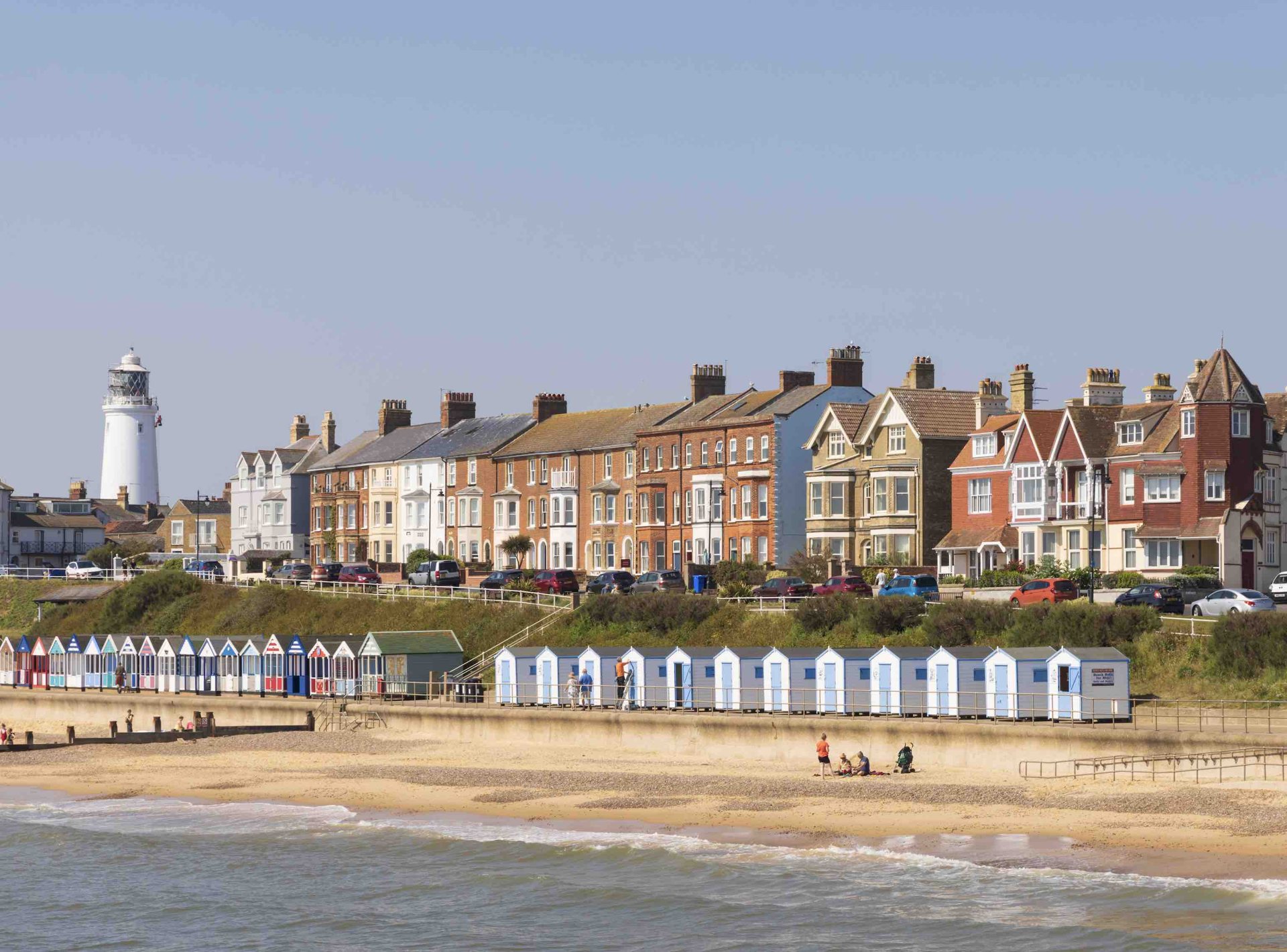
At the head of the ranking sits Southwold, the picturesque Suffolk town, where values have climbed 94% across ten years, from £231,236 to £448,106, comfortably outperforming the wider market.
Sandbanks, the Dorset millionaires’ playground, took second place after values jumped 93%, going from £664,655 to £1,282,565.
North Yorkshire’s Saltburn-by-the-Sea completed the top three, with prices increasing 75% from £129,363 to £227,022.
The analysis was compiled by Alto, a property management software provider whose network spans more than 6,000 estate agents nationwide.
Its researchers began by listing every well-loved seaside holiday home destination around the UK, then picked out the ten where values had risen fastest during the last decade.
Rental values in the same ten towns have gone up in broadly similar proportion.
Readers keen to examine the raw numbers, along with an explanation of how the ranking was assembled, will find them on the Alto website.
Speaking about the findings, Alto CEO Riccardo Iannucci-Dawson said: “Seaside holiday homes can still be a great investment if you pick the right place.
“The best reason to buy a seaside home is to have a wonderful place where you can relax with your loved ones and earn good rental returns when you are not there.
“They can be a fantastic investment if you look at the data carefully and pinpoint where prices and rental yields have grown most over the last decade.
“Southwold narrowly beat the more famous Sandbanks because its percentage rise was greater but all the locations in the top ten would make good investments and will provide a good return in the long-term.
“Prices shot up for seaside homes during Covid as people looked to escape cities for a simpler life.
“There was a correction after that and holiday home taxes in the form of punitive second home council tax charges in some popular areas have also affected the market.
“But global warming is making many parts of Europe too hot in the summer and British coastal resorts are an increasingly attractive option for many holidaymakers.
“Alto data allows agents to analyse long-term sales and rental data, going back decades, to highlight the very best holiday home investment opportunities.”
Designed with estate and letting agents in mind, Alto ranks as number one among the UK’s AI CRM software, bringing client accounting, property management, sales and lettings together on a single platform.
Around 35% of UK estate agents now work with the platform, which saves each user an average of 10 hours of paperwork every week.
UK’s top performing seaside holiday locations over the last decade
- Southwold, Suffolk: up 94% from £231,236 in 2016 to £448,106 in 2026
- Sandbanks, Dorset: up 93% from £664,655 to £1,282,565
- Saltburn-by-the-Sea, North Yorkshire: up 75% from £129,363 to £227,022
- Croyde, Devon: up 68% from £439,975 to £740,747
- West Wittering, West Sussex: up 63% from £598,788 to £977,282
- Padstow, Cornwall: up 60% from £443,396 to £711,458
- Falmouth, Cornwall: up 59% from £226,217 to £360,332
- Burnham Market, Norfolk: up 56% from £457,050 to £715,452
- Margate, Kent: up 54% from £202,276 to £312,195
- Salcombe, Devon: up 53% from £539,950 to £828,630
