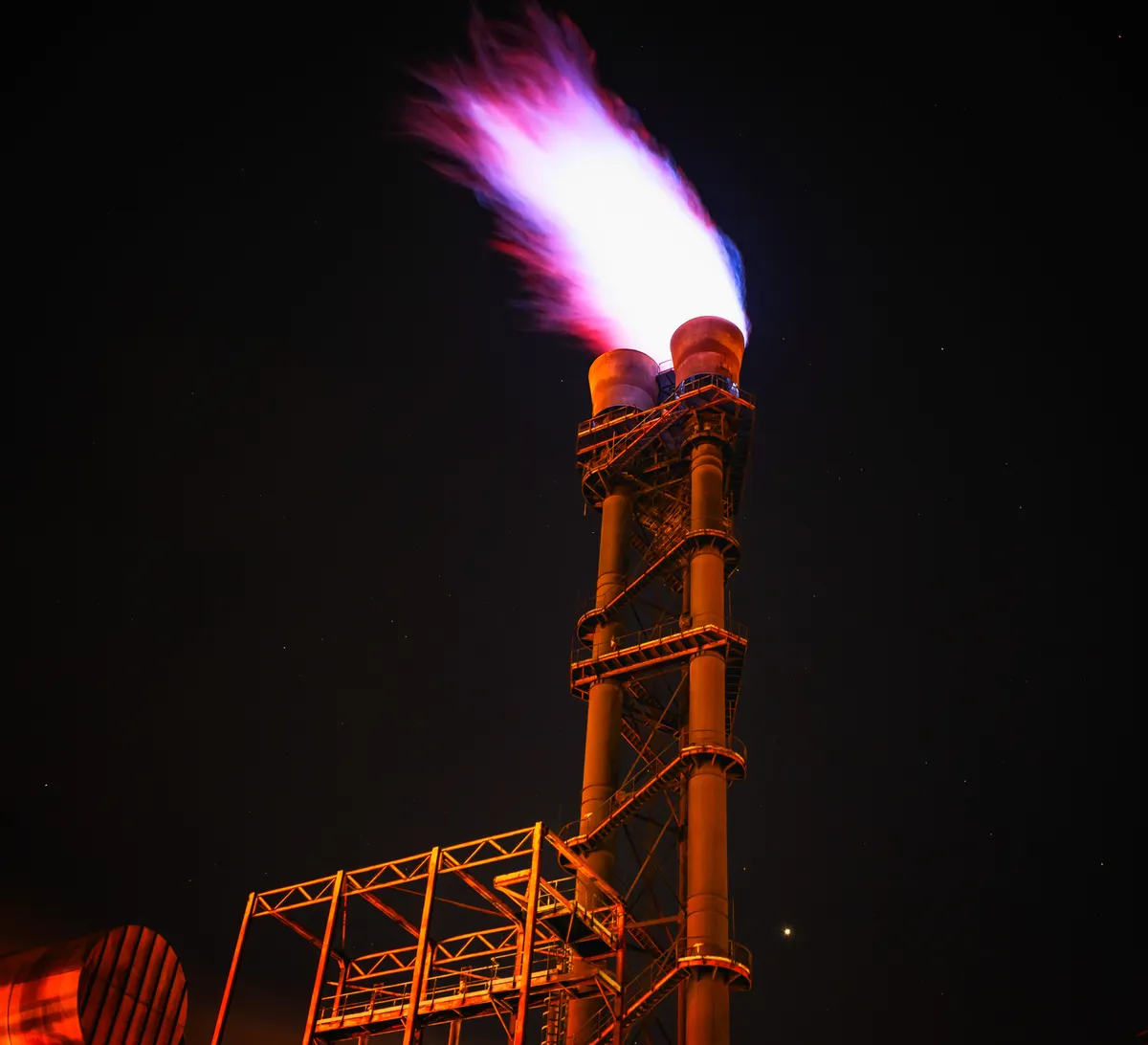

South Korea has chosen a gas-fired power station in Encinal, Texas, as the first concrete project under its $350bn US investment pledge, with the plant valued at $22.3bn after negotiations that saw both sides move from their opening positions. The South Korea Texas gas plant announcement follows months of talks on implementing a joint fact sheet (JFS) covering investment commitments made in exchange for lower US import tariffs.
Yonhap News Agency, citing parliamentary sources, reported that the Ministry of Trade, Industry and Resources briefed the parliamentary trade committee on the plan in a closed-door session.
How the $22.3bn figure was reached
The final valuation did not emerge easily. According to The Korea Herald, Seoul initially considered investing around $19.8bn in the project, while the US side pushed for a figure closer to $25bn. After negotiations, the two sides settled on $22.3bn, a compromise that sits roughly midway between the two opening positions.
The government expects the Texas project to generate revenues of up to $45.4bn over 20 years, which it says would exceed recovery of the principal and interest on the investment.
South Korea Texas gas plant: scale and structure
The plant will be located in Encinal, a community BIC Magazine places 118 miles south of San Antonio. Total installed capacity is set at 6.3GW, with development planned in two stages. According to Computelabs AI, the first stage will deliver 1.4GW of gas-turbine generating units, followed by a second stage adding 4.9GW of combined-cycle generating capacity.
The project is aimed at meeting rising electricity demand driven by the growing number of semiconductor plants and artificial intelligence data centres in Texas. A memorandum of understanding (MoU) to complete the project has not yet been signed. Industry Minister Kim Jung-kwan did not provide a timetable when briefing lawmakers, and a committee member said the MoU is likely to be announced by US President Donald Trump at a politically opportune moment before the US midterm elections in November.
The broader investment framework
The South Korea Texas gas plant is the first project to be selected under the JFS, which was adopted after a summit between South Korean President Lee Jae Myung and Trump. The JFS outlines Seoul’s investment commitments, including $150bn earmarked for shipbuilding cooperation, alongside security arrangements linked to South Korea’s push to develop nuclear-powered submarines and obtain rights to enrich uranium and reprocess spent nuclear fuel.
Two further projects are being prepared but remain at an earlier stage. The ministry has drawn up plans to build eight large-scale nuclear reactors in the US and to develop a liquefied natural gas project in Alaska. Both will require additional discussions with the US side before they can proceed, unlike the Texas plant, which has now been selected.
The nuclear reactor plans have already run into friction. US officials have reportedly opposed South Korea’s interest in acquiring a roughly 20% stake in energy company Westinghouse to underpin construction of the reactors. Kim told lawmakers the two sides are currently discussing a stake of between 5% and 10%, which he said would be sufficient to secure voting rights.
Kim also restated the government’s position that no investment will go ahead if the total committed exceeds a $200bn ceiling across all projects.
US companies respond in kind
The flow of capital is not one-directional. Earlier this month, four US companies agreed to invest a combined $2bn in South Korea across semiconductor inputs, wafer-fab equipment, advanced materials and renewable power. The companies named are Air Products, Axcelis Technologies, Corning and Pacifico Energy.
With the South Korea Texas gas plant now selected as the lead project, attention will turn to the timing of the MoU signing, which the parliamentary committee member suggested is likely to be timed by Trump ahead of November’s midterm elections.
