
Andy Burnham declined to close the door on the Burnham EU rejoining debate during talks in New York on Tuesday, telling reporters the question was ‘for another day’ while his immediate attention is fixed on securing a substantive deal at the next UK-EU summit. The Prime Minister, speaking on the sidelines of the United Nations gathering, set out a more cautious ambition: building on the diplomatic groundwork already laid and pushing negotiations toward practical economic agreements.
Summit timing and the Burnham EU rejoining debate
Burnham confirmed the UK-EU summit remains a priority, saying the government’s focus was on the meeting ‘which we hope will take place later this year.’ The summit had been planned under his predecessor Keir Starmer but was placed on hold when Starmer resigned in June. According to The Guardian, the next summit may not now be held until October, allowing Falconer time to get across the detail of the negotiations and giving Burnham room to flesh out his foreign policy position.
The Prime Minister said he wanted to ‘go to the next level in terms of reaching practical agreement that will further boost the British economy,’ alongside EU requests around youth mobility. On the broader question of rejoining the bloc, he was explicit: ‘The other issues you discuss, they are for another day.’
Burnham has previously said he wanted to see the UK rejoin the EU within his lifetime, but he tempered those remarks ahead of the Makerfield by-election before his return to Westminster. Senior Labour figures have since pressed him to cross manifesto ‘red lines’ on rejoining the customs union. Sir Sadiq Khan, the mayor of London, has said Labour should campaign on a promise to rejoin the economic bloc at the next general election.
When asked about Canada’s new status as an ‘associate member’ of the EU, Burnham offered little encouragement: ‘The European Union made it clear that that wasn’t open to us.’
Youth mobility and the case for a new scheme
Youth mobility is expected to feature prominently at the summit. The backdrop is a May 2025 Common Understanding agreement between the UK and the EU, which the Senedd Cymru Research Service notes covered five areas and set the framework for further talks on a reciprocal scheme for younger travellers.
Public appetite for such a programme is clear. Research by British Future found that 57% of people support a reciprocal mobility scheme for 18 to 30-year-olds, with only 12% opposed. That level of backing gives Burnham political headroom to pursue the issue, even as he holds the wider rejoining question at arm’s length.
The ‘Made in Europe’ scheme and risks for UK manufacturers
Beyond the constitutional questions, a more immediate commercial dispute has emerged. The EU’s ‘Made in Europe’ scheme, designed to prioritise large contracts for firms based on the Continent in response to lower-cost competition from Chinese companies, is set to be a central item in Burnham’s talks with EU leaders. He is due to meet European Commission president Ursula von der Leyen at the UN summit on Tuesday.
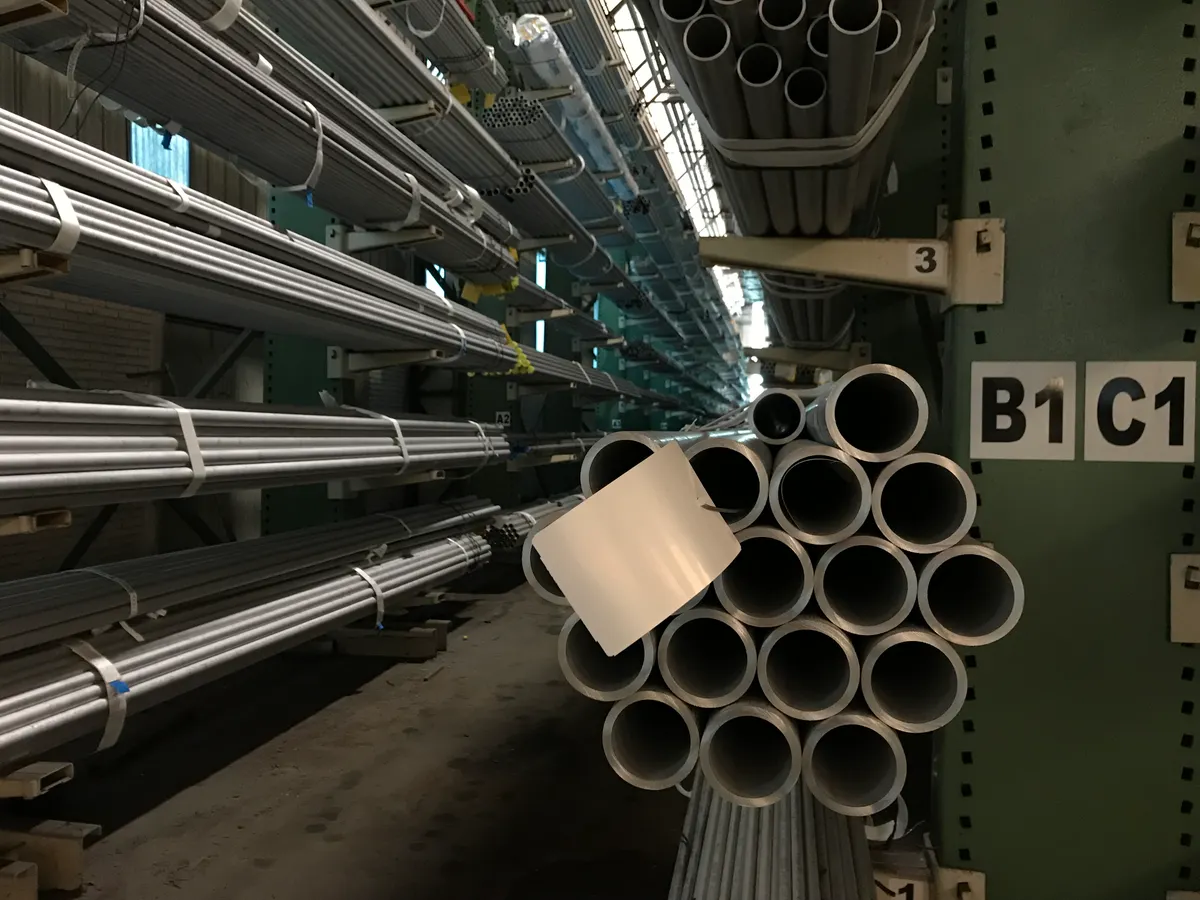
Burnham warned that British exclusion from the plan could cause ‘collateral damage’ for UK manufacturers and supply chains. ‘We do have concerns about Made in Europe, which is something that could affect British industry and British supply chains,’ he said. Manufacturers and some services companies have echoed those concerns.
Ben Fletcher, chief executive of Logistics UK, argued that the EU and UK should instead work to ease rules and make goods more competitive across borders. ‘Europe, including the UK, will become more competitive and resilient by strengthening the supply chains connecting trusted trading partners, not by putting new barriers between them,’ Fletcher said.
The scheme is framed in Brussels as a defensive response to global competition, but critics argue it risks fracturing exactly the kind of cross-Channel supply relationships that businesses on both sides depend on. For Burnham, the ‘Made in Europe’ row illustrates the difficulty of the summit agenda: win practical concessions on trade and manufacturing, while leaving the larger questions of UK-EU alignment to, as he put it, another day. Whether that day comes before the next general election is now a question Labour’s internal critics are unlikely to let rest.
