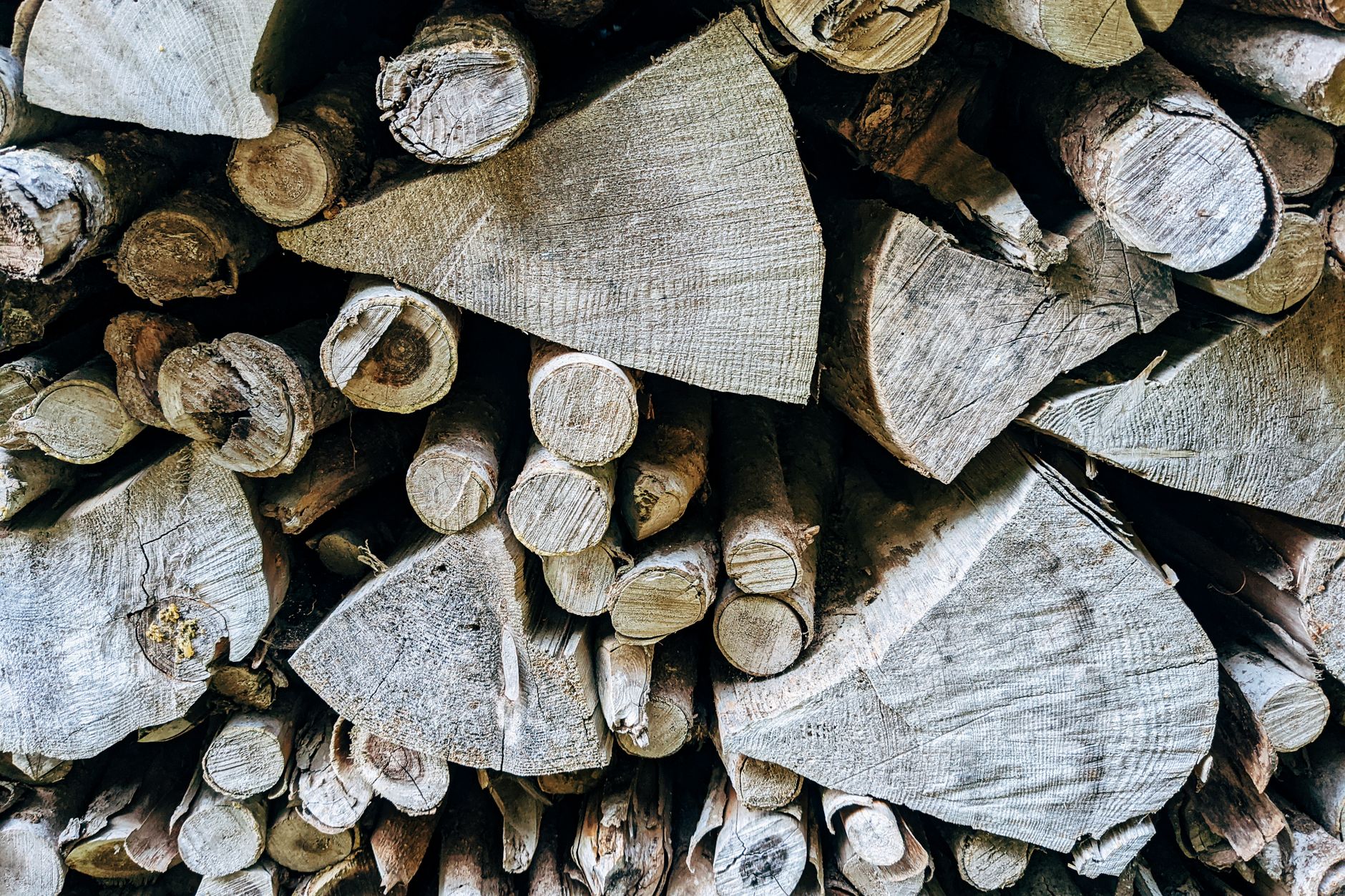

Britain may be known for its forests, country estates and wooded landscapes, but a surprisingly large proportion of the timber used in the UK still comes from overseas.
According to Grown in Britain, the UK imports around £9.4 billion worth of foreign timber each year, putting it behind only China in the scale of timber imports.
At the same time, a significant proportion of Britain's own woodland is not being actively managed. Figures cited by the certification organisation suggest that only 59% of UK woodland is currently managed.
Those two facts have helped put British-grown timber and woodland management back into the spotlight, particularly as businesses and consumers pay closer attention to where the products they buy actually come from.
British Woodland Is More Than Somewhere to Walk
For many people, the value of woodland is understandably associated with wildlife, recreation and the landscape. Britain's woods provide all three, but they can also be productive environments when managed properly.
Timber can be harvested from woodland and used for everything from construction and furniture to fencing, packaging and fuel. That does not necessarily conflict with conservation.
Active woodland management can involve thinning overcrowded areas, removing mature trees at the appropriate time, controlling disease and encouraging regeneration. Younger trees can be given more room and light, while opening up the woodland canopy can change the conditions for plants and wildlife at ground level.
The important distinction is between unmanaged exploitation and forestry carried out as part of a long-term management plan.
A productive woodland does not simply disappear once timber has been harvested. Proper management looks years, and often decades, ahead, considering what is removed, what remains, and how the next generation of trees will develop.
The UK Still Relies Heavily on Imported Timber
Britain's dependence on imported timber means the issue extends well beyond woodland management.
Timber is an international commodity and importing it is not inherently a sign of poor environmental practice. Many countries operate well-managed forests and internationally recognised certification schemes.
However, heavy reliance on imports raises questions about how much more use could be made of Britain's own timber resource.
Increasing demand for home-grown wood can give woodland owners a commercial reason to keep forests actively managed. It can also support sawmills, forestry contractors, hauliers, processors and other businesses connected to the domestic timber supply chain.
This is one reason provenance has become increasingly important. Knowing that something is made from wood is no longer necessarily enough for a buyer who wants to understand where that wood originated.
Certification Helps Buyers Understand What They Are Buying
One difficulty for consumers is that words such as "natural", "green" and "sustainable" can be used very loosely.
Certification gives buyers something more tangible to look for.
Grown in Britain is an independent certification scheme covering forests, timber and wood products originating in the UK. Its standards are designed to assure that certified timber has British provenance and meets requirements for legal and sustainable woodland management.
Traceability is an important part of that process. For timber to retain a meaningful claim about its origin, businesses further along the supply chain need systems that can account for where material has come from.
This matters for large construction projects buying structural timber, but the same principle can apply much closer to home.
Someone buying a table, fence panel, bag of charcoal, or sustainably sourced firewood may also want to know more about the timber's origin rather than relying on an environmental claim printed on the packaging.
Managing Woodland Can Benefit Wildlife Too
The idea that leaving every woodland untouched is automatically the best option for nature is an understandable one, but woodland ecosystems are more complicated than that.
Without management, some woods can become increasingly dense. Less sunlight reaches the woodland floor and the range of habitats within the site can change.
Careful thinning can create more space around selected trees and allow additional light through the canopy. Other areas may deliberately be left undisturbed, while deadwood can be retained where appropriate because of the habitat it provides.
No single management method suits every woodland. Ancient woodland, commercial forestry and a small privately owned wood can have very different priorities.
What matters is having a considered plan rather than treating timber production and environmental protection as two completely separate objectives.
Home-Grown Timber Has an Economic Role as Well
There is also a practical economic argument for using Britain's forests better.
A tree harvested in the UK can pass through several businesses before reaching the person who eventually uses the finished product. Forestry contractors may be involved in felling and extraction, while timber can then pass through haulage companies, sawmills, drying facilities, manufacturers and retailers.
That means the value of British timber does not stop at the woodland gate.
Increasing the amount of domestic timber brought into productive use cannot remove the UK's need for imports altogether. Britain consumes too much wood and too wide a range of timber products for that to be realistic.
It can, however, increase the contribution of home-grown material and create more demand for woodland management that might otherwise remain underused.
Provenance Is Likely to Matter More, Not Less
Consumers have become accustomed to checking where food comes from. Country of origin, farming standards and production methods can all influence what ends up in a shopping basket.
Timber has traditionally received less attention, despite being present in an enormous range of everyday products.
That appears to be changing.
Businesses are increasingly expected to substantiate environmental claims, while customers have become more familiar with certification marks and supply-chain information. Simply describing a timber product as sustainable without explaining why is becoming less convincing.
For Britain's woodland sector, that creates both a challenge and an opportunity.
The UK is unlikely to stop importing timber, nor would doing so necessarily be desirable. But with a large domestic woodland resource and significant amounts of timber already being consumed every year, there is a strong argument for making better use of what can be responsibly produced closer to home.
For consumers, the message is simpler. When buying something made from timber, it is worth looking beyond the product itself and asking where the wood came from.
That question can tell you considerably more than a green label ever will.
