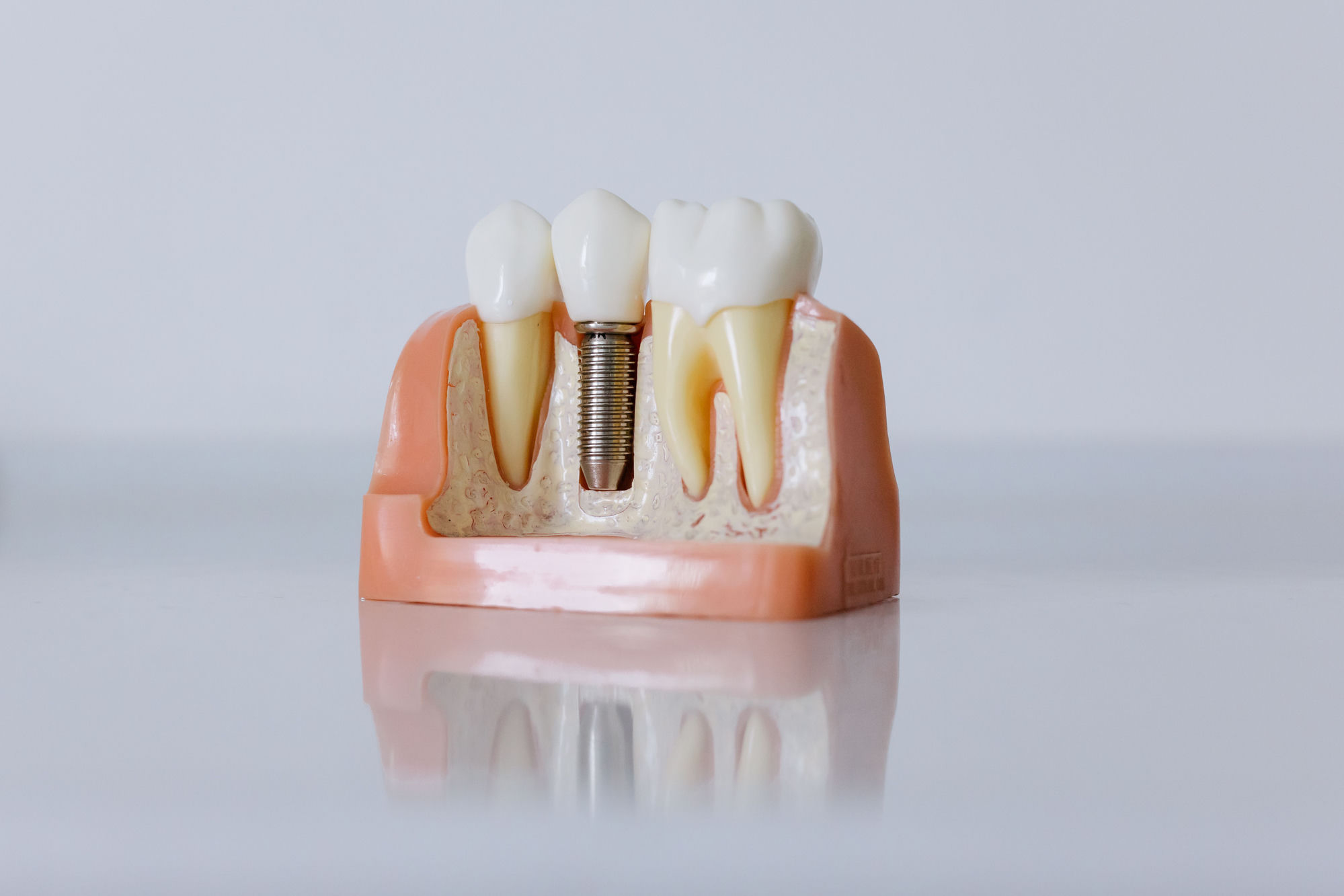

Dental implants in London can provide a secure and natural looking way to replace missing teeth, helping to restore both the appearance and everyday function of your smile. Unlike removable dentures, implants are fixed into the jaw, giving them a feel that is much closer to having a natural tooth.
For anyone considering treatment, however, there is more to think about than simply choosing a clinic. Understanding what dental implants involve, whether you are suitable and what happens during treatment can make the decision far easier.
What Exactly Is A Dental Implant?
A dental implant is a small titanium fixture placed into the jawbone to replace the root of a missing tooth. Once it has healed and integrated with the surrounding bone, it can support an artificial tooth, usually known as a crown.
The result is designed to look and function like a natural tooth. An implant can also be used to support several replacement teeth, meaning treatment is not necessarily limited to people missing just one tooth.
One interesting statistic is that around 74% of adults in the UK have had at least one tooth removed, according to research published by the Oral Health Foundation. Missing teeth are therefore far from unusual, but the way they are replaced can make a significant difference to comfort and confidence.
Who Can Have Dental Implants?
Dental implants can be suitable for many adults with missing teeth, but they are not automatically the right option for everyone. A thorough assessment is needed before treatment can be recommended.
The condition of the jawbone is particularly important because the implant needs enough healthy bone around it to remain stable. Gum health matters too. Active gum disease may need to be treated before implant treatment begins.
Your general health, smoking habits, oral hygiene and previous dental treatment can also be considered. If there is not enough bone to support an implant, a dentist may discuss procedures such as bone grafting before or alongside implant treatment.
What Happens During Dental Implant Treatment?
Implant treatment normally takes place over several stages rather than during one appointment. Initially, your mouth will be assessed and scans or X rays may be taken to examine the teeth, gums and jawbone.
The implant is then carefully positioned within the jaw. A period of healing follows, allowing the implant to bond with the surrounding bone. This process, known as osseointegration, is an important part of creating a stable foundation for the replacement tooth.
Once healing has taken place, an abutment can be attached to the implant, followed by a carefully made crown or other restoration.
The exact timescale varies considerably. Some people may complete treatment within several months, while more complex cases can take longer. There is no single timetable that applies to everyone.
Are Dental Implants Painful?
It is understandable to wonder about discomfort, particularly if you have had an unpleasant dental experience in the past. Implant placement is carried out using local anaesthetic, so you should not feel the procedure itself in the way you might expect.
Some tenderness, swelling or discomfort can occur afterwards, particularly during the first few days. Your dental team will explain how to look after the area while it heals and what you can expect during recovery.
For many patients, the thought of treatment is considerably worse than the reality. Discussing any worries with your dentist beforehand can also help you feel more comfortable.
How Long Do Dental Implants Last?
Dental implants are intended to provide a long term solution, but they are not completely maintenance free. How long they last can depend on factors including oral hygiene, gum health, smoking and how well the implant and surrounding teeth are cared for.
Research published in the International Journal of Oral & Maxillofacial Implants found a 10 year survival rate of approximately 94% for single tooth implants. This highlights why implants can be a durable option when they are properly planned and maintained.
Regular dental appointments remain important after treatment. Good brushing, cleaning between the teeth and professional dental care can all help protect the implant and the tissues surrounding it.
What Should You Ask Before Choosing A Clinic?
Before committing to treatment, take time to discuss your individual circumstances with a suitably qualified dental professional. Ask about the proposed treatment, how long it is expected to take, what alternatives are available and what happens if additional treatment is needed.
You should also feel comfortable asking about the dentist's experience with implant treatment and how your progress will be monitored afterwards.
For people considering dental implants, taking this approach can make the process feel much less daunting. Implants are a significant investment in your oral health, so understanding the treatment before starting is important.
