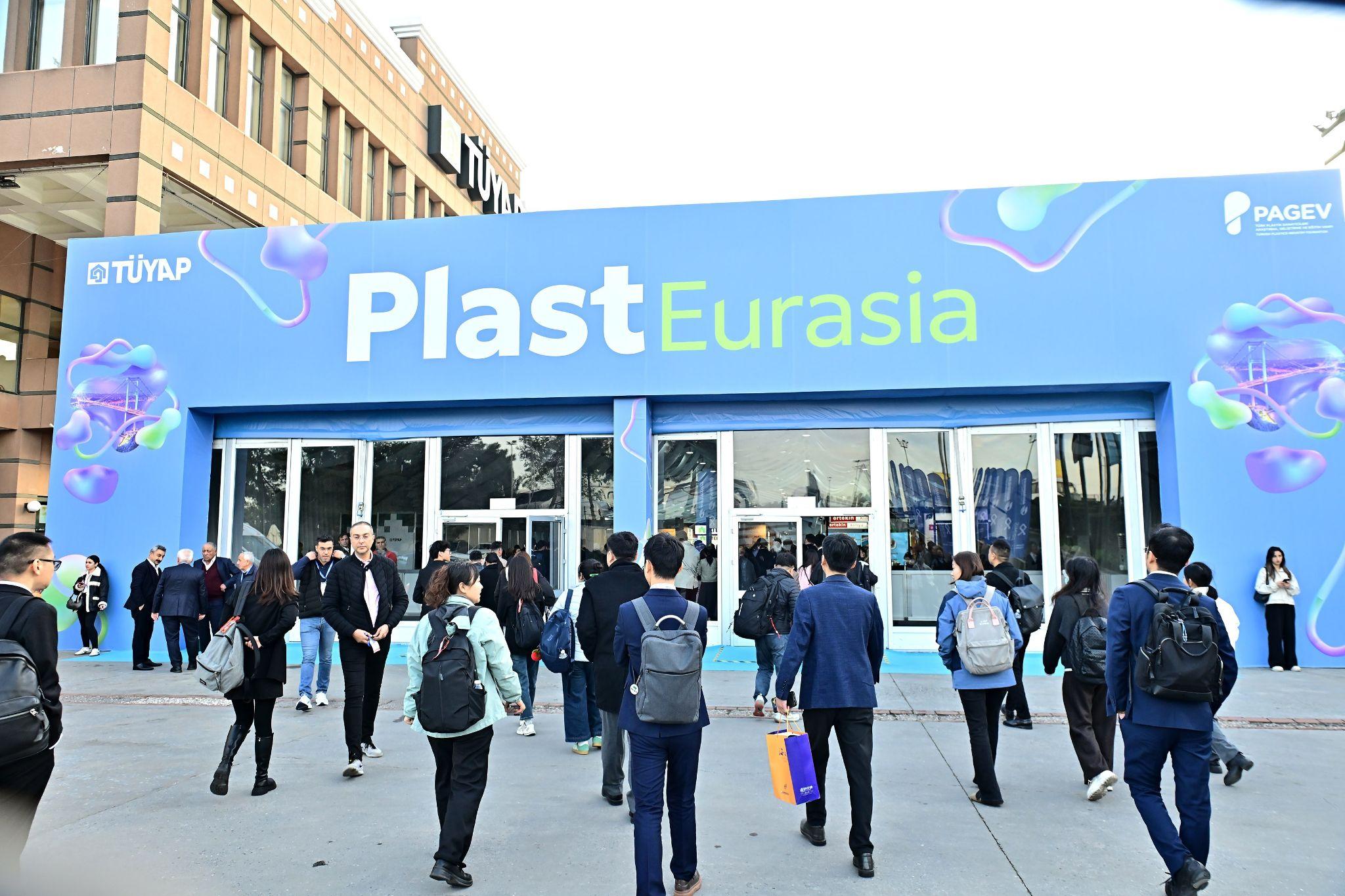

This December, Istanbul plays host to the 35th Plast Eurasia, staged by Tüyap. Production technologies, raw materials and plastics machinery will be gathered under one roof, while the organisers intensify their campaign to attract trade visitors from important European markets before the doors open.
İstanbul – Running from 2-5 December 2026 at Tüyap Fair and Congress Center in Istanbul, Plast Eurasia is organised by Tüyap Fairs and Exhibitions Organization Inc. in cooperation with PAGEV and backed by the Republic of Türkiye Ministry of Trade. Producers, technology suppliers, raw material makers, distributors and buying specialists will be assembled at the event so that trading links can be built right across the plastics sector.
“For 35 years, Plast Eurasia supports the growth and development of the industry by bringing companies and professionals together and helping turn those connections into commercial relationships,” according to İlhan Ersözlü, General Manager at Tüyap Fairs Production Inc. “This year, we want to carry that experience forward by creating focused opportunities for buyers, suppliers and technology companies to meet around the needs of today’s plastics industry.”
Outreach across Europe picks up speed
With roughly 3 months still to run until the opening, 90% of the exhibition space has already found buyers. A turnout of 80,000 visitors from Türkiye and abroad is anticipated by the organisers, whose trade visitor campaign centres on Germany, Belgium, Greece, Romania, France, Italy and Poland, as well as markets in the Middle East and North Africa.
Machinery suppliers, materials firms and other plastics companies will be brought into one Istanbul exhibition setting in December, which matters for industry professionals based in Europe. Fresh commercial contacts are the aim of the international visitor programme, which is also built to help firms deepen the trading relationships they already hold.
Equipment, materials and production know-how set the agenda
Two pillars of the show will be plastic production machinery alongside raw materials and chemicals. Machinery solutions and next-generation production technologies also feature, and efficiency, innovation and value-added production count among the themes shaping the commercial agenda.
Thanks to that breadth of products, buyers and technical staff can examine equipment, materials and production methods in the course of a single visit, while exhibitors put sector solutions, new products and technologies before an international audience.
Anniversary events chart 35 years of sector change
A Milestones Map forms part of the 35th-anniversary programme, setting out, in chronological form, the fair’s key stages together with developments in the plastics industry. Visitors will also find an exhibition of historic plastics production machinery demonstrating how manufacturing technologies have shifted over the years.
Plaques will be presented at the opening ceremony to Kontel Elektronik, Enformak Plastik Teknolojileri and Almak Ateş Makine, three companies that have taken part throughout the 35-year journey of the fair, acknowledging their long-standing involvement.
Under The Stage is Yours!, exhibitors receive 30-minute presentation slots in which to tell visitors about success stories, industry solutions, value-added products and technologies.
Guided access on offer for hosted buyers
Finding their way to the relevant product groups and exhibitors should prove more efficient for international purchasing delegations thanks to the Hosted Buyer Guided Tour programme. Dedicated support services, visits to event and demo areas, guided routes and entry to the Hosted Buyer Lounge are all open to participating buyers.
Turkish Airlines, the Official Airline of Plast Eurasia, will cut fares on qualifying international return flights to Istanbul taken between 25 November and 12 December 2026: Economy Class tickets carry 10% off and Business Class tickets 15%.
