
Andy Burnham is travelling to the United Nations General Assembly in New York for a Burnham Trump New York meeting that analysts say will be watched closely by currency and bond markets, as the Iran war pushes the Bank of England to revise its inflation forecast to above four per cent. The encounter, which will be Burnham’s first face-to-face session with President Donald Trump, comes at a moment when geopolitical risk and domestic economic pressure are colliding in ways that directly constrain the government’s room for manoeuvre ahead of the Budget.
Burnham is expected to press Trump on further steps to defend Ukraine and to bring conflicts across the Middle East to an end. He will be accompanied by the AI minister Kanishka Narayan, whose presence reflects a parallel set of concerns among technology leaders about the long-term risks posed by artificial intelligence.
Iran war and the inflation path
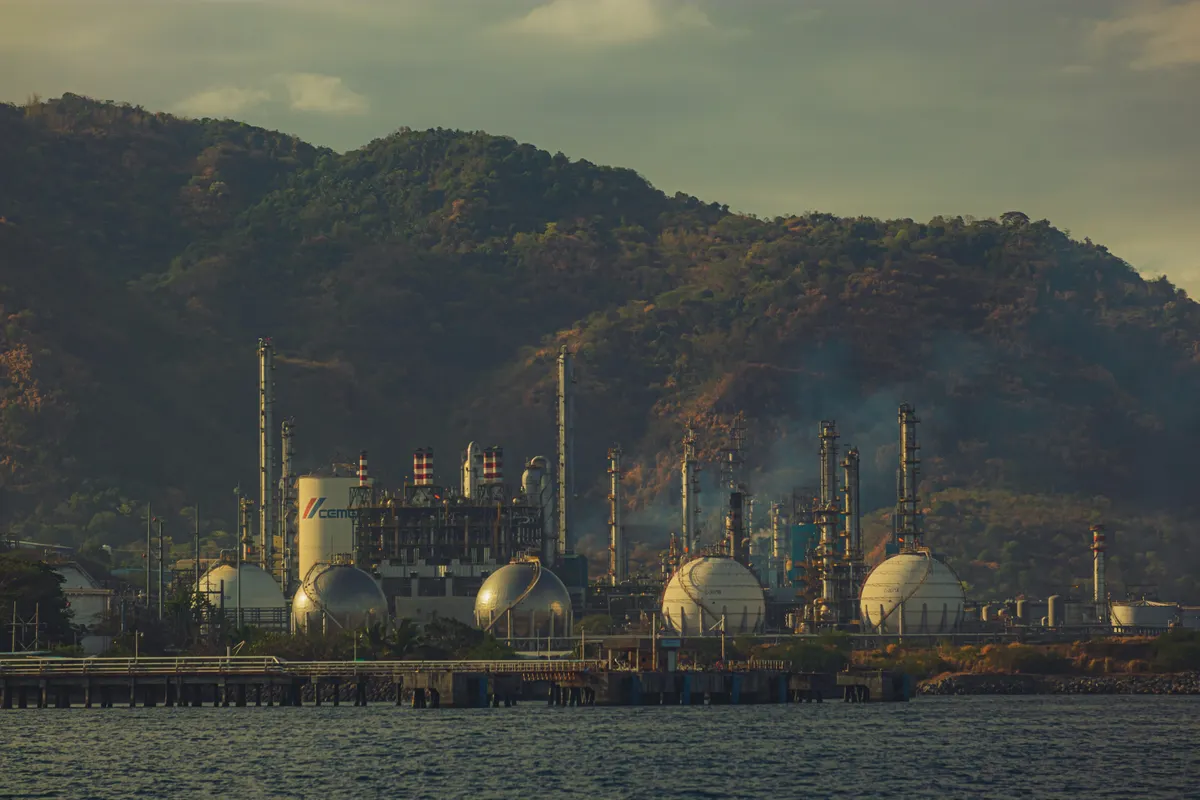
The economic backdrop to the Burnham Trump New York meeting is uncomfortable. Trump’s strikes on Iran in late February raised fears that British households and businesses would suffer from a price surge, given that the Gulf region accounts for more than a fifth of global oil and gas supplies. Shipping through the Strait of Hormuz has been restricted, and Bank of England Governor Andrew Bailey wrote to Chancellor John Healey warning of ‘limited capacity’ for ‘alternative export routes’ around the chokepoint.
The Bank’s Monetary Policy Committee has since revised its inflation forecast upward to ‘above’ four per cent, with a peak potentially arriving early in 2027 unless hostilities in the Gulf region end and normal trade flows resume. That is a sharp deterioration from what had been expected before the conflict intensified. According to Reuters, prior forecasts had inflation peaking at 3.3 per cent next quarter before moderating, with a return to the Bank’s two per cent target not expected until the end of 2027 even under more benign assumptions.
The picture has been uneven. British inflation dipped to 2.6 per cent in June, according to official data reported by Reuters, as a brief de-escalation in the Iran war brought fuel prices lower. That respite now looks short-lived given the renewed escalation since then, including drone attacks on refineries in Moscow over the weekend that Trump said had left Russia having ‘lost control’ of its diesel industry.
The energy supply shock has historical precedent. Russia’s full-scale invasion of Ukraine in 2022 sent European gas prices surging and pushed UK inflation to a peak of 11 per cent as governments rushed to secure fuel from alternative sources. The current episode is drawing similar comparisons among those watching energy markets.
Rate expectations and Budget pressure
Despite the inflationary outlook, the Bank of England is not expected to move quickly on interest rates. A Reuters poll of 70 economists carried out between 21 and 24 July found unanimous agreement that the Bank would hold its key interest rate at 3.75 per cent for now, even as minutes from last week’s MPC meeting suggested policymakers were prepared to raise rates if inflationary pressures continued to build.
Kathleen Brooks, research director at XTB, said the drone attack on Moscow would add to the range of geopolitical problems ‘stacking up’ and pushing energy prices higher. The US and Iran remain at an impasse over conflicts across the Middle East, and Iran’s president Masoud Pezeshkian is also attending the UN summit, with reports suggesting Trump may meet him there as well.
The inflation trajectory creates a direct complication for Burnham and Healey with the Budget less than six weeks away. Higher inflation and rising borrowing costs could limit spending options and add to financial strains on households and businesses already absorbing the effects of the Iran war’s impact on fuel prices. The Bank of England‘s caution on rates offers limited cover if price pressures accelerate further.
Angeline Ong, senior technical analyst at investing platform IG, described the Burnham Trump New York meeting as an ‘early test’ of whether Burnham can keep UK-US relations on an even keel despite potential friction over areas including Labour’s North Sea oil policy and Ireland. ‘For markets, the significance is that foreign policy and the domestic economy are becoming increasingly intertwined,’ Ong said. ‘With the Budget only weeks away, any sign of renewed friction on trade or tariffs could add to the pressure on sterling and gilts, while a more conciliatory tone could remove at least one source of uncertainty for UK assets.’ The BBC has noted that in a scenario where oil prices settle around $76 before easing to $71, inflation could still reach three per cent, underlining how sensitive the domestic outlook is to events far beyond Whitehall’s control. The tone of what Burnham and Trump agree in New York could shape that trajectory as much as anything the MPC decides at its next meeting.
