
The UK economy expanded by 0.4 per cent in the second quarter of the year, according to data published by the Office for National Statistics, a result that matched analyst forecasts but came with a warning that one-off factors have been doing much of the heavy lifting. The UK GDP second quarter reading was accompanied by a surprise monthly gain of 0.3 per cent in June, ahead of expectations, though figures for May were revised down from 0.1 per cent growth to no growth at all.
The result is a step down from the 0.6 per cent expansion recorded in the first three months of the year, and it lands against a backdrop that has grown considerably more difficult since the House of Commons Library notes the Office for Budget Responsibility had forecast full-year GDP growth of 1.1 per cent for 2026 before the conflict in Iran took hold. That gap between pre-war expectations and current trajectory reflects the degree to which the Strait of Hormuz crisis has reshaped the outlook for the British economy.
Services carry the load as construction lags
Within the second-quarter figures, the services sector was the standout, growing by 0.5 per cent over the three-month period. Production was flat, recording no change from the first quarter, while construction expanded by 0.3 per cent without building any real momentum.
Liz McKeown, director of economic statistics at the ONS, said: ‘Growth slowed in the second quarter of the year, following a strong start to 2026, but remained relatively robust.’ The ONS also suggested that ‘sporting events’, widely taken as a reference to the World Cup, boosted spending during the period, while analysts pointed to a series of heatwaves as an additional lift to consumer activity.
City economists polled by Bloomberg had predicted 0.4 per cent growth for the quarter and a 0.1 per cent decline in June’s total product value. The quarter delivered on the first count and beat on the second, though few are reading that June upside as a signal of durable strength.
UK GDP second quarter and the Hormuz question
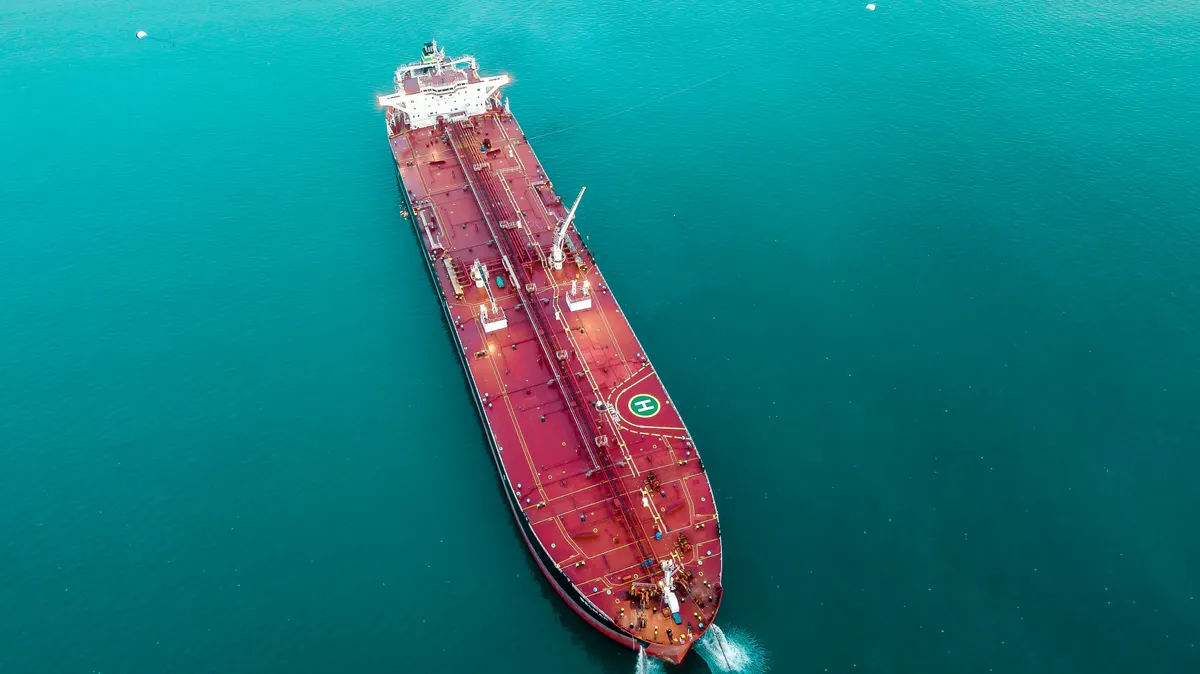
Behind the headline number sits a supply shock that is still working its way through the economy. According to the House of Commons Library, in mid-March the International Energy Agency estimated that around 20 million barrels of oil per day had been affected by the drop in shipping through the Strait of Hormuz, with oil production cut by at least 10 million barrels in Gulf countries, equivalent to around 10 per cent of global output. UK wholesale natural gas prices rose by roughly 75 per cent between late February and 23 March 2026, the Library adds, underscoring how quickly the conflict translated into domestic cost pressure.
The Treasury has warned Prime Minister Andy Burnham and Chancellor John Healey that if the strait remains blocked for the rest of the year, the UK economy would grow by just 0.3 per cent. The Bank of England has said it would raise interest rates in the same scenario. Economists at EY have gone further, warning that the economy could slide into recession if oil and gas fail to move through the Gulf region, which accounts for around a fifth of global supplies.
However, if the strait reopens by the end of the third quarter, The Guardian reports that EY’s base-case forecast suggests growth will remain fairly resilient, at 0.9 per cent in 2026 and 1.2 per cent in 2027. That conditional optimism reflects how much the near-term trajectory depends on a single chokepoint thousands of miles from the UK.
Economists warn of seasonal flattery
George Brown, senior economist at Schroders, acknowledged that the UK economy had proven ‘resilient’ but said he suspected ‘seasonal quirks are flattering activity in the first half of the year, with growth likely to lose some steam later in 2026’. Yael Selfin, chief economist at KPMG, echoed the caution. ‘Temporary tailwinds are likely to fade, and higher prices continue to squeeze households’ purchasing power,’ she said. ‘Growth is expected to moderate in the coming months as the impact of higher prices and borrowing costs filter through to households and businesses.’ Selfin added that consumers had ‘remarkably well’ absorbed recent economic shocks so far, helped by high temperatures and the sporting calendar.
Both economists are pointing at the same structural problem: the supports that held up activity in the first half are specific to that period and will not repeat in the autumn.
Budget pressure builds on Healey
The growth data puts the Chancellor in a delicate position ahead of the Budget. Healey said in response to the figures: ‘I know people are worried about the impact of the conflict in the Middle East on their cost of living, which has been too high for too long and it has added pressure on British businesses. We’ve seen the fastest growth in the G7 this year, but we now need to double down and drive growth in every postcode.’
Devolution and regional investment bodies are among the policies expected to feature at the Budget. But economists at Capital Economics have warned that reduced fiscal headroom and spending commitments on energy support and defence could force Healey to raise around £25 billion in taxes, complicating any confidence-boosting message he hopes to deliver.
Shadow chancellor Sir Mel Stride said Labour had ‘no plan for growth’ and had ‘mismanaged the economy with their tax and borrowing spree, leaving it weak and vulnerable to the effects of shocks like the Iran War’. The political argument over economic responsibility is already under way well before Budget day arrives.
