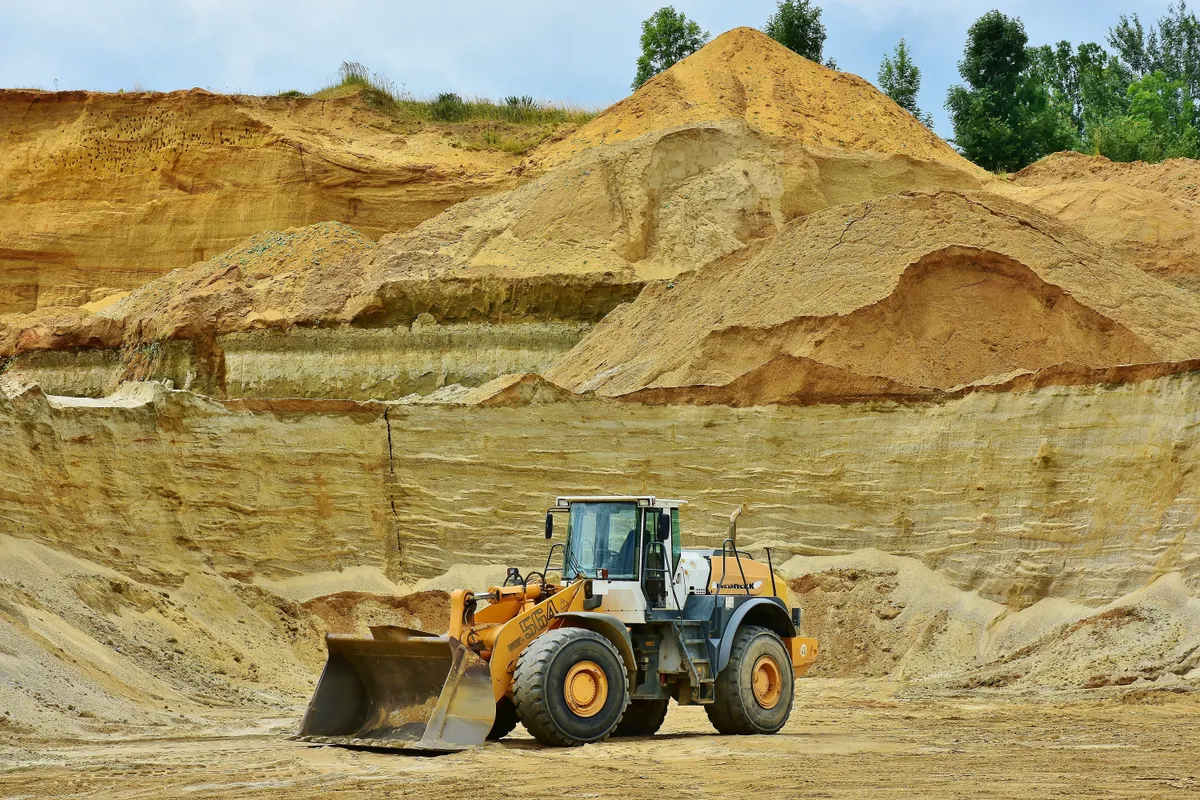

The National Wealth Fund is to inject £71m into Tungsten West, the Devon-based miner, to bring the Hemerdon mine back into production, as the government seeks to shore up domestic supplies of critical minerals for defence and energy industries. The Hemerdon mine restart has been structured as a two-part funding package: a £36m share purchase giving the government a 7.4 per cent stake in Tungsten West and a seat on the board, alongside a £25m loan facility.
The government will also gain the option to buy up to half of the mine’s future tungsten output, giving the state a direct commercial interest in production volumes alongside its equity position.
National Wealth Fund Hemerdon mine deal: what the money is for
The fresh capital is intended to help Tungsten West rebuild and upgrade processing equipment on-site, cover day-to-day project costs, and fund the labour and operations needed to bring the mine to full metal production. Tungsten West, headquartered in Plympton in Devon, extracts tungsten, tin and secondary aggregates, the by-products of other industrial processes.
The project is expected to create 350 direct jobs, a material boost to the local economy in the South West. The government’s shares are to be formally listed on the stock market on 27 August, with mining operations set to restart in the third quarter.
John Healey, the Chancellor, said: ‘This investment will supply vital minerals to British defence, energy and aerospace businesses, and keep good, well-paid jobs in the UK.’
Jeff Court, chief executive of Tungsten West, said: ‘It is extremely important to us that we prioritise UK requirements for this critical metal to support domestic demand, including strategic initiatives across defence and next generation energy.’
Production timeline and prior financing
The Hemerdon mine, which previously operated as Drakelands Mine, was shut in October 2018 after its then-operator, Australian firm Wolf Minerals, went into liquidation. Tungsten West acquired the site in 2019 and spent subsequent years redesigning the processing layout and securing new environmental permits before seeking fresh investment.
According to Directors Talk Interviews, the company is targeting fines gravity processing to begin in the third quarter of 2026, with full commissioning of the plant pencilled in for early 2027. That phased approach reflects the scale of the processing rebuild required before the site can reach its full output potential.
The National Wealth Fund deal was not the only financing in play. Earlier this year, Tungsten West secured a binding US$25.0 million bridging loan facility with an entity controlled by Gregory Coffey to fund the initial phase of the fines gravity processing restart at Hemerdon, according to a company announcement published on Investegate. The bridging facility carries an interest rate of SOFR plus 4.5 per cent and has a 366-day term. The National Wealth Fund package now sits alongside that arrangement as the company moves through the restart programme.
Tungsten West is listed on the London Stock Exchange’s AIM market. According to the company’s investor relations pages, the Hemerdon mine has a life of mine of over 40 years, underlining the long-term strategic logic behind public investment in bringing it back into operation.
Part of a broader National Wealth Fund strategy
The Hemerdon commitment marks a further use of the National Wealth Fund to advance government priorities across defence and energy supply chains. During Rachel Reeves’ time as Chancellor, the policy bank announced a £599m financing package for Rolls-Royce Small Modular Reactors, in a bid to accelerate delivery on a project with Great British Energy. Around a thousand jobs are tipped to be created through that funding, with Rolls-Royce SMR co-owned by the FTSE 100 manufacturer and Czech power company CEZ.
The model in both cases is the same: public capital deployed to de-risk projects for private lenders, with the aim of drawing in additional investment from the City and international markets alongside the government’s own commitment. At Hemerdon, with a 40-year mine life and a production timeline stretching into 2027, the fund’s tenure as a shareholder is set to be a long one.
