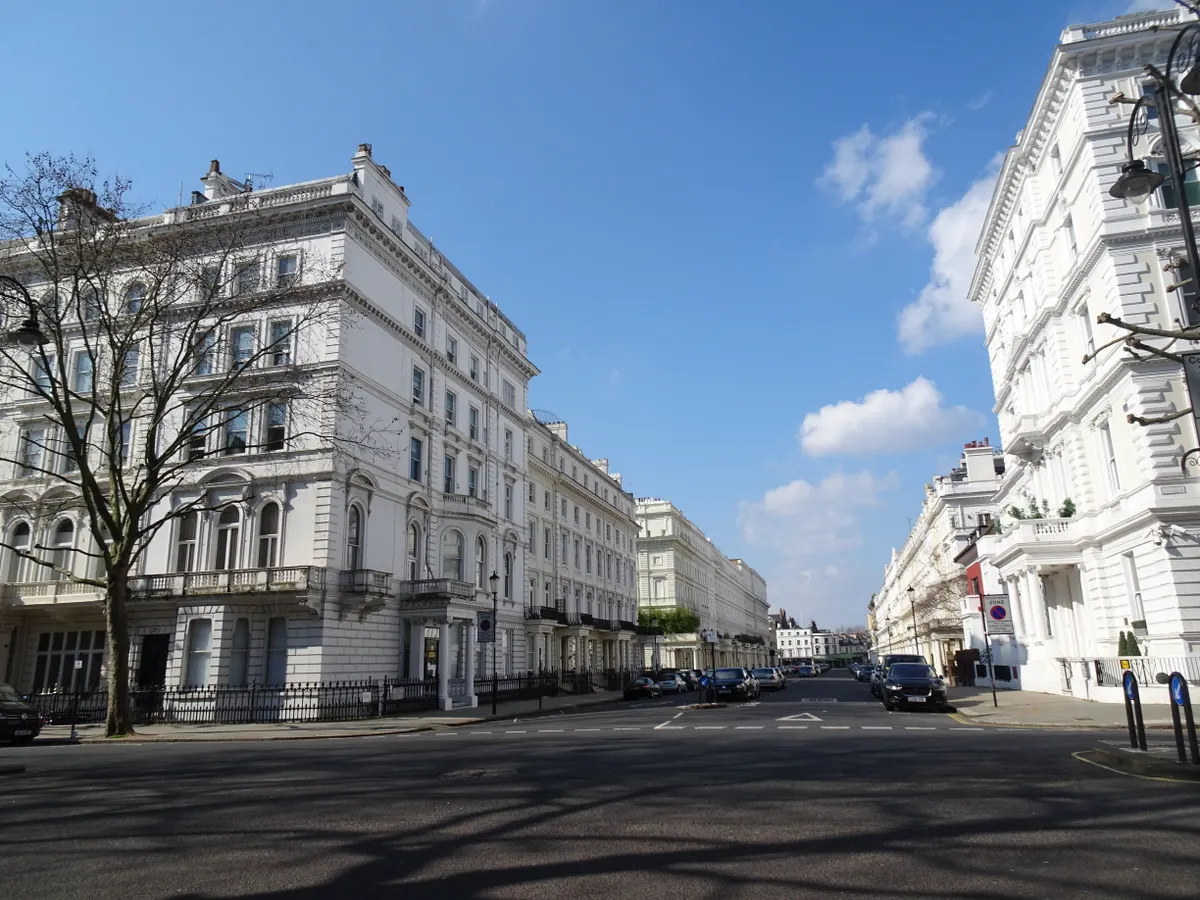

The London housing affordability crisis is pulling the capital’s quality of life score down the global rankings, with Londoners spending more of their income on housing than residents of ‘nearly every city in the world’, according to the Oxford Economics Global Cities Index 2025. The index, which assessed 1,000 cities worldwide across economics, human capital, quality of life, the natural environment and political stability, placed London second overall, behind only New York and ahead of Paris, San Jose and Melbourne.
Despite that strong overall position, London ranked 144th on the quality of life sub-index, far behind Paris, Berlin, Amsterdam and New York. The report’s authors identified a lack of housing supply as the main driver of the problem, one that would take ‘political willpower and time to overcome’.
London housing affordability crisis deepens as prices outpace earnings
The scale of the affordability problem in London is stark. The average house price in the capital has risen by more than 23 per cent from around £449,000 in mid-2015 to £554,000 in June this year. According to Moneyfacts, the ratio between average house prices and net income is higher in London than in any major region across England. The financial data group found earlier this month that the average home in the capital now accounts for nearly 15 times average earnings after accounting for stamp duty, national insurance and income tax. Londoners face double the burden of people in the North West and North East when it comes to getting on the housing ladder.
Oxford Economics noted that New Yorkers, despite enjoying one of the highest levels of income per person in the world, also contend with their own housing cost pressures, suggesting the problem is not unique to London, even if its severity here is pronounced.
Second place overall, but human capital remains London’s strongest suit
Elsewhere in the index, London’s performance was considerably more flattering. The capital ranked first globally on human capital, which measures education, skills and workforce quality. It came eighth in the economics category, a ranking that reflects what the report describes as ‘the size of the city’s economy (the fourth largest in the world) and the stable growth it has historically experienced.’ Oxford Economics said London ‘has established itself as a perpetually relevant locale for business, science and technology, education, and the arts.’
The index also addressed one of the lingering concerns from the past decade. Researchers wrote that ‘fears that Brexit would lead to a decline of the city as a global financial centre have not been realised.’ Looking ahead, the report stated: ‘We expect London to continue to attract migrants from all over the world to access its world-class institutions and range of job opportunities. The city is set to remain a top Global City for years to come, potentially fighting New York for the top spot.’
New York retained first place, as it did in 2025, while two cities broke into the top ten for the first time. Boston and Sydney both entered the top 10 in this year’s edition, according to Oxford Economics. Sydney reached seventh place, driven by an improvement in its Quality of Life and Environment scores, a contrast that throws London’s struggles on the same measure into sharper relief.
Political pressure mounts over housing targets
The housing affordability problem has moved firmly onto the political agenda. Housing secretary Angela Rayner told the BBC there was a ‘slim chance’ of Labour hitting its target to build 1.5 million new homes by 2030, describing the pledge as a ‘stretch target.’ Sir Sadiq Khan, the mayor of London, has meanwhile missed his own targets to build thousands of affordable homes in the capital.
The Prime Minister announced that London would receive around £6 billion of an initial £10 billion government cash injection into council housebuilding across the country. Whether that sum will be enough to shift the supply picture materially, and with it London’s standing in future quality of life rankings, is the question the next index will answer.
