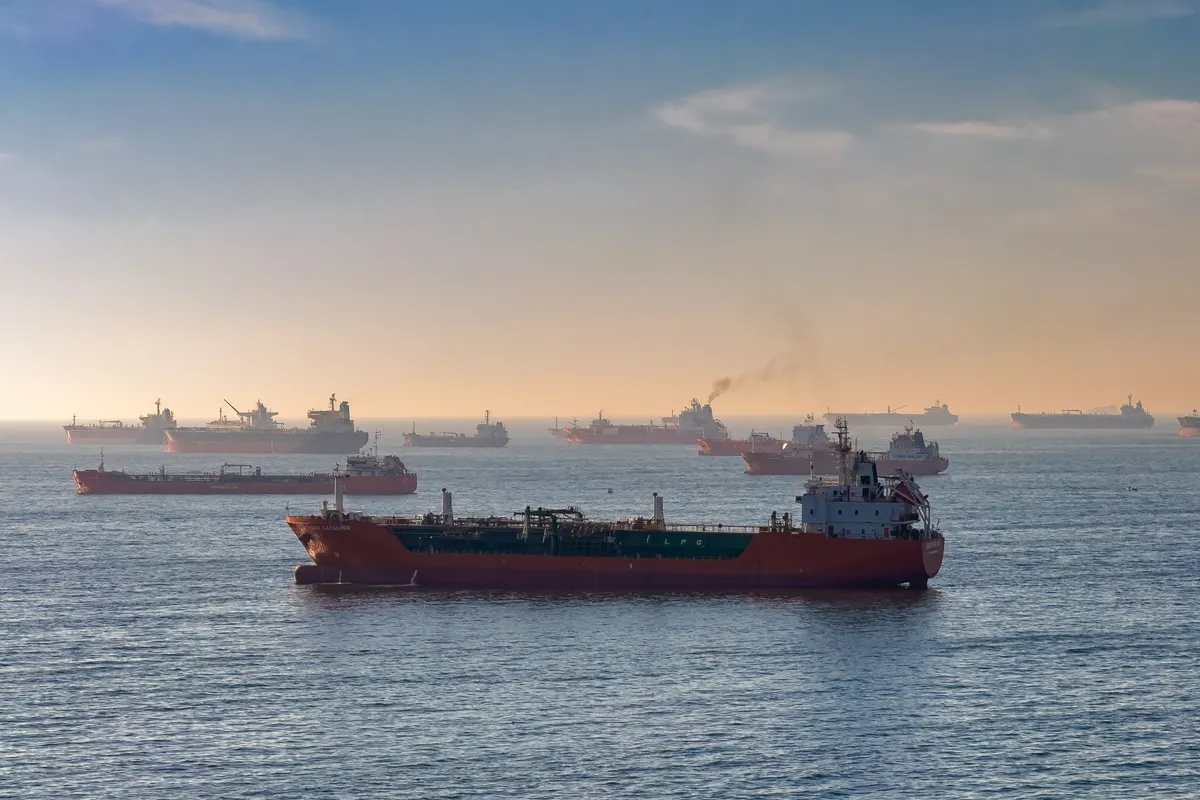

Brent crude climbed towards $91 per barrel this week as Hormuz oil flows conflict escalated following US strikes on Iranian rocket launchers reportedly preparing to lay mines in the Strait of Hormuz. The attack marked the first direct exchange of fire in more than a month and sent fresh tremors through energy markets already watching the waterway closely.
Iran’s foreign minister Abbas Araghchi was unequivocal at the weekend. ‘Putting diplomacy back on track isn’t possible,’ he said. ‘It hinges on the US understanding one simple fact: pressure doesn’t work.’
Achilleas Georgolopoulos, senior market analyst at Trading Point, said the fresh military operations were pushing the oil price higher but cautioned that the rally appeared to ‘lack [the] momentum’ needed to push it above previous highs seen during the conflict. ‘While no one is surprised by these events, expectations for progress in the US-Oman-Iran negotiations have clearly taken another hit,’ he added.
How much oil is still moving through the Strait
The Strait of Hormuz remains the single most consequential chokepoint in global energy markets. Despite the conflict, around 6 million to 8 million barrels a day of crude is still transiting the waterway, according to Bloomberg via Yahoo Finance, citing Goldman Sachs analysis. That same analysis puts total exports of crude and oil products from the Middle East at 15 million to 16 million barrels a day, still up to 8 million barrels below pre-conflict levels but well above the 5 million to 6 million barrels that were flowing through daily in March at the peak of the fighting.
The recovery in throughput has not translated into calm pricing. Global oil prices have dropped to around $89 a barrel from more than $120 in April, Bloomberg data shows, but any further escalation around the Strait risks reversing those gains quickly. Vessels have been rerouting to avoid the narrow waterway while it is deemed dangerous, adding costs and delays to supply chains.
The Strait’s importance extends well beyond crude. According to Seaway Ship Services, approximately 20 per cent of global liquefied natural gas trade moved through the waterway in 2024, with Qatar accounting for around 9.3 billion cubic feet per day of those exports and the UAE contributing approximately 0.7 billion cubic feet per day. Any sustained closure or prolonged disruption would land squarely on LNG buyers across Europe and Asia.
Hormuz oil flows conflict feeds into UK household bills
The renewed pressure on oil markets arrives alongside a warning from Federal Reserve chair Kevin Warsh that the central bank stands ready to act if inflation picks up. Speaking at Jackson Hole on Friday, Warsh set out his position plainly: ‘Here is my standard: We must be confident that underlying inflation is moving to our objective, clearly and at sufficient speed. Otherwise, we have work to do. That’s our job… our mandate… and our charge to keep.’
In Britain, the consequences of elevated energy costs are already filtering through to households. UK inflation leaped to 2.9 per cent in July after the reset of the energy price cap coincided with a spike in oil and gas prices. Ofgem confirmed the default tariff for consumers across Britain would rise four per cent to £1,723 for the final quarter of the year, a jump of £60 annually or £5 per month. The regulator pointed to surging oil and gas prices, a direct consequence of the Middle East conflict, as the driver.
The price cap acts as a buffer for some 22 million British households on default tariffs, and it is tipped to rise again in January if oil prices remain elevated. The pressure will mount on Prime Minister Andy Burnham, who has sought to give families ‘breathing room’ on the cost of living. With Iran’s foreign minister closing the door on fresh diplomatic talks and the Strait of Hormuz remaining in the crosshairs, that breathing room looks increasingly hard to deliver.
