
The European Commission has committed a €200m investment incentive package for Greenland, covering 2026 and 2027, as part of a new joint declaration on EU-Greenland-Denmark relations. The EU Greenland investment package is designed to support foreign direct investment across a broad range of sectors, from clean energy and raw materials to digital infrastructure and sustainable tourism.
The declaration was signed in Nuuk by European Commission president Ursula von der Leyen, Premier of Greenland Jens-Frederik Nielsen, and Prime Minister of Denmark Mette Frederiksen. Von der Leyen said: ‘Greenland can count on the EU. That was my message during my last visit. Today, I am back to deliver the real results of our close cooperation. With a new EU-Greenland Partnership package, worth €200m.’
EU Greenland investment package: what is covered
The joint declaration spans education and training, infrastructure, sustainable raw materials, clean energy, digital connectivity, housing, research and innovation, civil protection, resilience and security, fisheries, and environment and climate action. The breadth of the agreement reflects the EU’s intent to deepen its engagement with Greenland across virtually every pillar of economic and social life.
On digital infrastructure, the EU is working with Greenlandic telecoms operator Tusass on an enhanced satellite connectivity project. The aim is to increase satellite capacity across the territory through European providers over a five-year period. Separately, the Commission is supporting feasibility studies into whether data centres could be commercially viable in Greenland as energy and digital infrastructure develop.
In the energy sector, the EU will back a programme led by national utility Nukissiorfiit to modernise and decarbonise energy supply to remote settlements through hybrid renewable systems. The two parties are also assessing support for an expansion of the Buksefjord hydropower plant to meet increasing electricity demand in Nuuk.
Mining and raw materials take centre stage
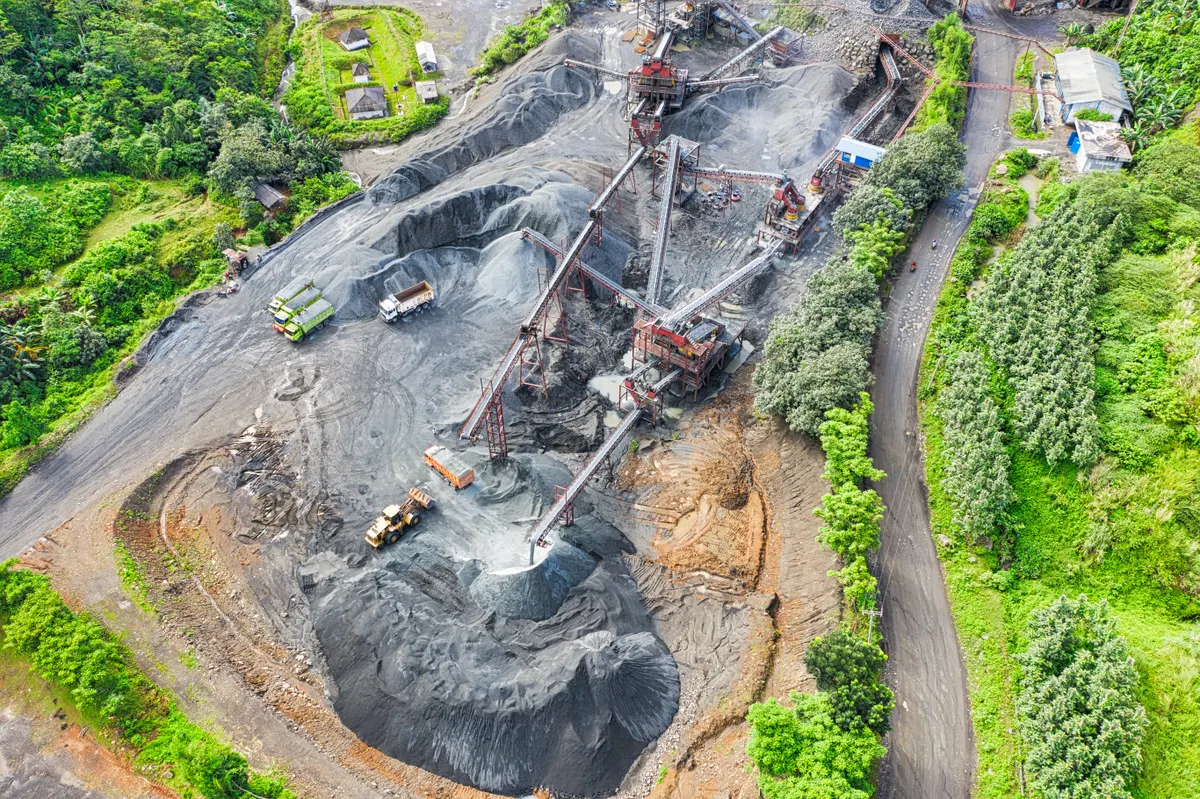
Raw materials sit at the heart of the commercial rationale for Brussels. The EU and Greenland intend to move forward with sustainable mining projects connected to European industry, with backing through technical analysis and investor matchmaking. The plans build on existing investments including the Malmbjerg mining project.
GreenRoc‘s Amitsoq graphite project, which has been designated an EU Strategic Project under the Critical Raw Materials Act, was named as an example of integrated EU-Greenland value chains. The designation signals how the EU views Greenland’s mineral wealth as directly relevant to its own supply chain security.
The Commission will also assist Greenland’s government in setting up a Programme Management Unit to reinforce institutional capacity for delivering EU-backed programmes. Remaining funding will be directed to preparatory work on tourism and housing schemes intended to diversify the economy and address ageing housing stock.
Greenland’s place in EU funding frameworks
Greenland is already the largest per capita recipient of EU support among the overseas countries and territories. The EU has earmarked €225m for the 2021-2027 period, with 90% allocated to education and 10% to green growth. For the 2028-2034 Multiannual Financial Framework, the Commission has put forward €530m for Greenland, more than double the current allocation.
The relationship is further underpinned by the Sustainable Fisheries Partnership Agreement, through which the EU contributes €17.3m each year, including €3.2m directed to Greenland’s national sustainable fisheries strategy. Greenland also continues to qualify for EU programmes including Horizon Europe, the Connecting Europe Facility, Erasmus+, Creative Europe and InvestEU.
The EU Greenland investment package now puts a sharper commercial edge on what has historically been a development-led relationship, with the raw materials agenda in particular drawing in European industry at a time when supply chain diversification has risen up the political agenda in Brussels. The Commission’s proposal to more than double funding in the next financial framework, from €225m to €530m, points to how that relationship is expected to develop further once the 2028-2034 budget is settled.
