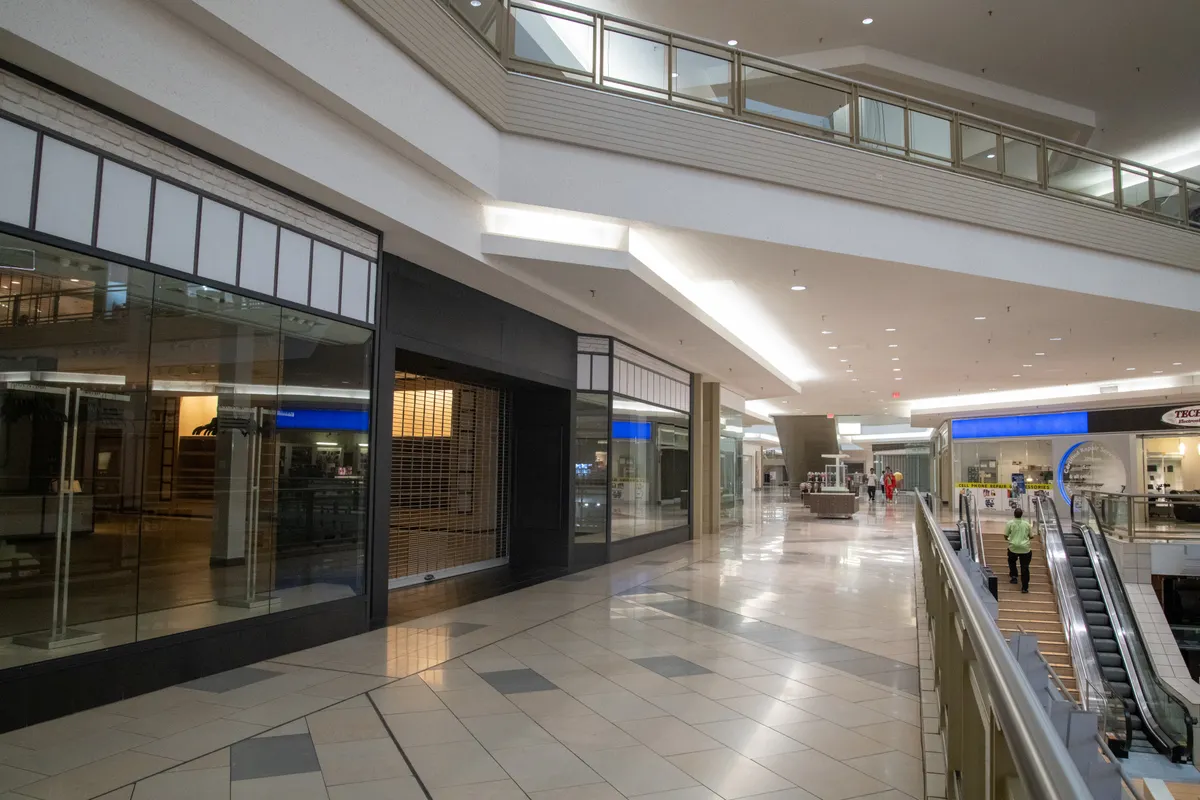

Retail sales volumes dropped 0.4 per cent in September, outpacing the 0.1 per cent decline that City economists had expected, as a sharp deterioration in consumer confidence cast a shadow over the sector ahead of the Budget, according to City AM. The Office for National Statistics (ONS), which published the figures, also revised August’s retail sales growth upward to 0.7 per cent from the 0.5 per cent reported previously.
The September fall was driven by weakness at non-food stores and a pullback in online spending, where volumes declined 0.4 per cent. Retailers reported lower sales and reduced footfall as shoppers cut back on purchases outside daily essentials.
Consumer confidence suffers its steepest fall since 2016
Separate data from GfK showed UK consumer confidence fell 11 points to -24 in September, its biggest fall since the Brexit vote in 2016. Neil Bellamy, consumer insights director at GfK, described the move as ‘an extraordinary collapse’ in confidence.
Paul Dales, chief UK economist at Capital Economics, linked the two datasets. ‘October’s sharp fall in consumer confidence and the dip in retail sales volumes in September show that times are getting tougher for households just as the all-important festive period for retailers is just around the corner,’ he said.
Automotive fuel was the one sector to buck the wider trend, recording volume growth in September despite higher prices at the pump. The source attributed the pressure on fuel costs to a spike in oil prices driven by the US-Iran war, with diesel prices in the UK climbing to a record high of £2.01 per litre in early October.
Retailers press the Chancellor ahead of the Budget
The figures arrive as retailers seek relief from Chancellor John Healey ahead of his maiden Budget, set for 28 October. Business leaders have called on the government to shield high street shops from the top business rates multiplier and to reverse recent increases to employer national insurance contributions (NICs).
Thierry Garnier, chief executive of Kingfisher, the owner of B&Q, contributed a piece to City AM in which he stated that the firm’s work experience placements for young people ‘depends on what the Chancellor decides in this Budget’.
For context on how the broader retail picture has shifted, the Office for National Statistics reported that in October 2024, retail sales volumes had risen by 0.3 per cent in September 2024, with non-food stores up 2.5 per cent and online spending values up 1.3 per cent over the same month that year. The contrast with the current September figures underlines the change in consumer behaviour over the intervening period.
The Budget on 28 October is the next firm decision point for the retail sector, with industry bodies watching closely for any movement on business rates and employer NICs.
