
The FTSE 100 opened Monday’s session with only marginal gains as FTSE 100 Iran tensions dominated the global mood, with Tehran threatening what it called ‘earthquake-like retaliation’ against US pressure and at least one Gulf state falling in line with Washington’s sanctions push.
IG futures had pointed to a rise of a few points at the open, following a Friday close of 10,816, which added 0.6 per cent to Thursday’s figure. That late rally papered over what had been a difficult stretch: long-dated US borrowing costs reached their highest level since the global financial crisis, as investors questioned whether the Trump administration had control of the public finances. Sell-offs in UK and French government debt followed.
FTSE 100 Iran tensions colour the weekend outlook
Dan Coatsworth, head of markets at AJ Bell, said markets had ‘lost their foothold after several weeks when it appeared they were successfully climbing the wall of worry.’ The FTSE 100 held up better than most, he noted, supported by its concentration of resources stocks. Gold pushed through the $4,500 mark, its safe-haven and inflation-hedging credentials drawing buyers.
Coatsworth added that next week’s results from Nvidia could redirect attention towards corporate earnings, but warned that ‘as we head towards the autumn, a chill has started to descend for markets.’ He said investors would be looking for reassurance when Federal Reserve chair Kevin Warsh addresses the Jackson Hole meeting at the end of this month.
The geopolitical backdrop hardened considerably over the weekend. Trump had earlier described his move against Tehran as the ‘most crushing economic operation’ against the country, according to Deutsche Welle, in what he separately called an ‘economic D-Day’ moment. Iran’s response was unequivocal. Mohsen Rezaei, the head of Iran’s Supreme National Security Council, said on state television that any country participating in the imposition of economic restrictions against Iran would be considered an enemy.
UAE joins sanctions push as Hormuz remains closed
The warning from Tehran came with regional pressure already intensifying. The United Arab Emirates announced a total embargo on trade and transactions with Iran on Monday, according to The New York Times. That move is likely to carry weight: the UAE has historically served as a significant conduit for goods moving in and out of Iran, including items that have faced other international restrictions.
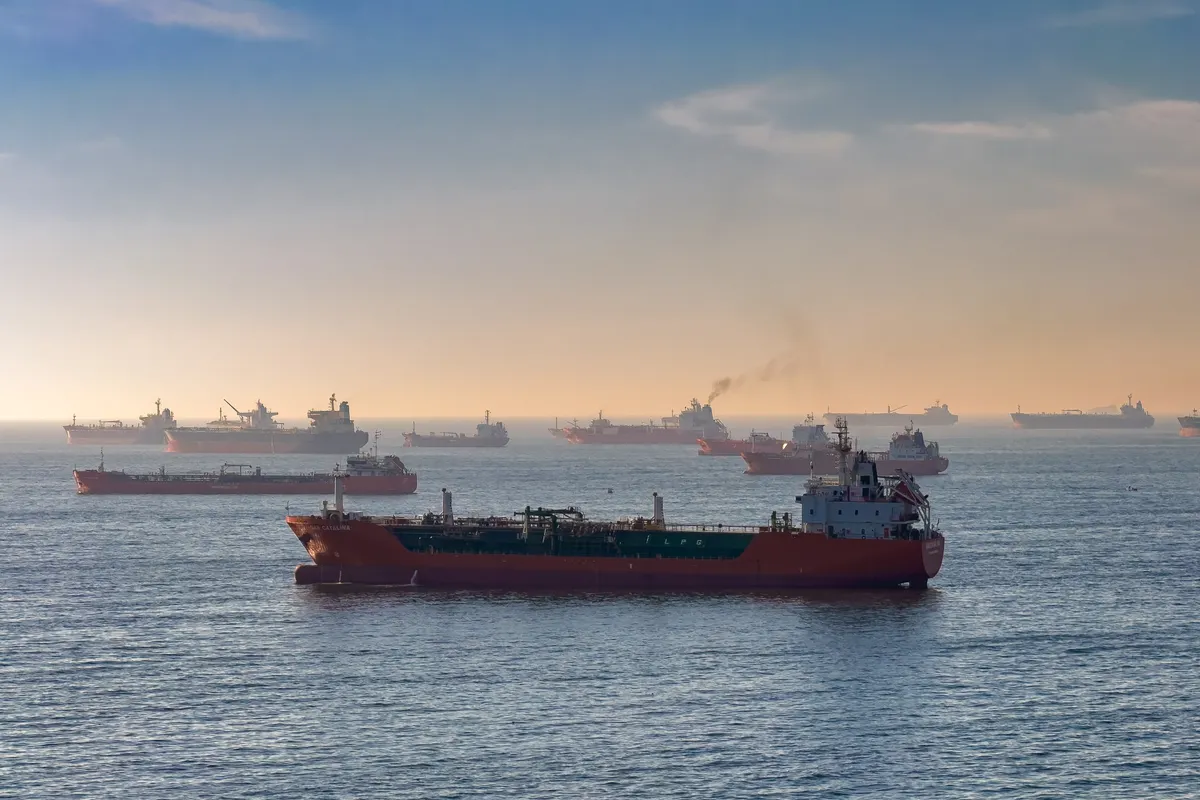
The broader context for energy markets is already constrained. The Strait of Hormuz, through which a substantial share of global oil shipments pass, has been essentially closed since March, according to The Hill. With the UAE embargo now in place and further Gulf states weighing their positions, the pressure on Iranian trade routes is building from multiple directions simultaneously.
For London equity markets, the FTSE 100’s resources-heavy composition has so far provided a degree of insulation. A higher gold price and elevated energy-sector valuations have offset some of the drag from global risk aversion. But the combination of US fiscal concerns, rising geopolitical risk and tightening conditions in bond markets means the index faces headwinds that commodity stocks alone may not fully absorb.
Coatsworth’s reference to a ‘comfort blanket’ at Jackson Hole reflects the mood: markets are looking for a clear signal on the trajectory of US rates and on how far the administration is prepared to push its economic confrontation with Iran, before deciding which direction to move next. The UAE’s embargo, the first from a Gulf state since tensions escalated, gives that question a sharper edge.
