
The Ofgem energy price cap rise is expected to push UK Consumer Prices Index (CPI) inflation up to 2.9 per cent in July, reversing a brief easing that had brought the rate to a 15-month low of 2.6 per cent in June, when the Office for National Statistics (ONS) publishes its latest figures on Wednesday. Economists say the summer boost to the economy is unlikely to last.
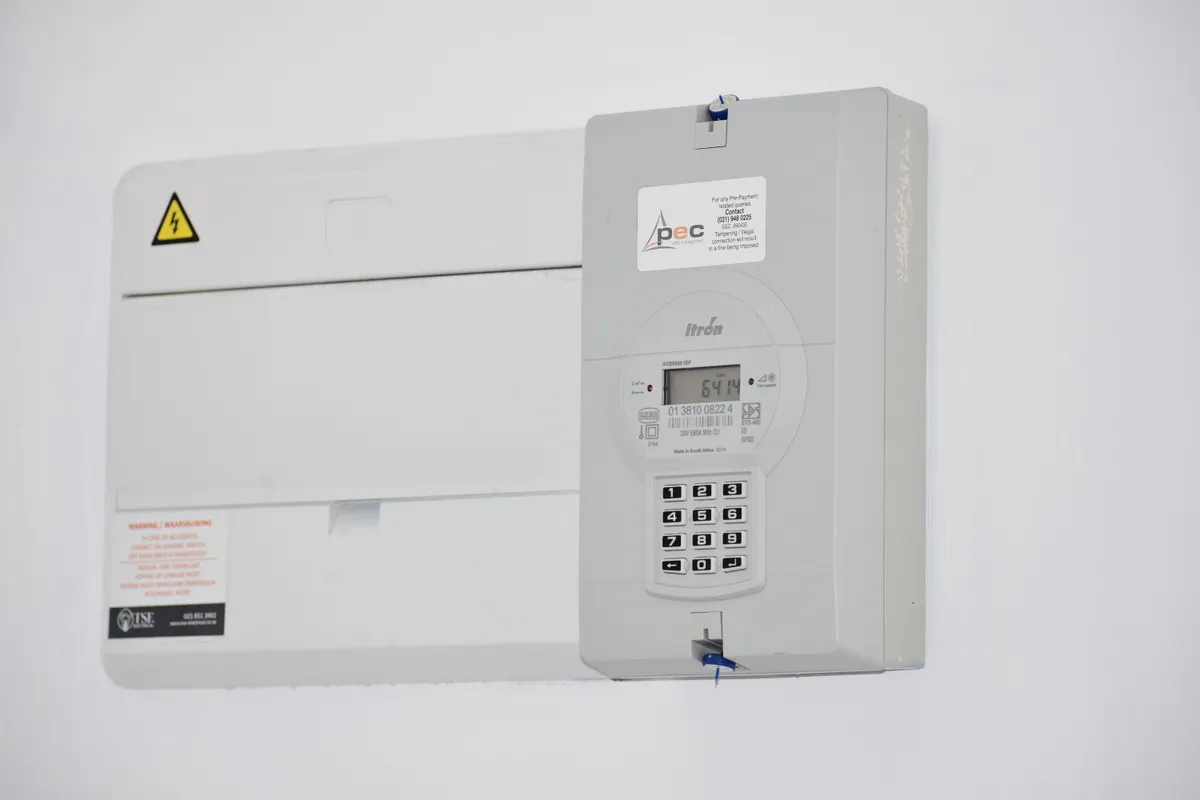
In July, Ofgem allowed the average household gas and electricity bill to rise by £221, or 13 per cent, to £1,862 per year. Ellie Henderson, an economist at Investec, said the jump in energy prices alone will add 0.5 percentage points to July’s inflation reading.
‘It was already clear at the publication of the June print that any easing in inflationary pressures as per the headline measure wouldn’t last for long, with the July increase to the Ofgem energy price cap likely to erase any progress towards the Bank of England’s two per cent target,’ Henderson said.
What the revised consumption figures mean for bills
One aspect of the July cap adjustment that complicates direct comparisons with previous periods is a change to the baseline Ofgem uses to calculate typical household usage. From 1 July, the regulator updated its figures to reflect the fact that households are consuming less energy than before: around 7% less electricity and 17% less gas compared with the last review, according to Ofgem’s own press release. That revision means the £1,862 annual figure represents a lower level of consumption than earlier estimates assumed, though the 13 per cent increase in unit prices is the primary driver of the higher bills households will see.
Context from the UK Parliament Commons Library shows how far the market has shifted over the past two years. The cap for typical consumption in the July to September 2023 quarter stood at £1,976, with unit prices running 27% lower than under the Energy Price Guarantee for gas and 9% lower for electricity. At that point, customers on standard variable tariffs saw their prices fall for the first time since October 2020. The current trajectory runs in the opposite direction.
Ofgem energy price cap rise and the Bank of England dilemma
Thomas Pugh, chief economist at RSM, said the inflationary effect of the price cap rise will be partly offset by easing motor fuel inflation, but will still add ‘fresh pressure to household budgets and [complicate] the outlook for interest rates’. That complication lands at a difficult moment for the Bank of England, which has been working to bring inflation back to its 2 per cent target.
Victoria Scholar, head of investment at Interactive Investor, said: ‘The Bank is likely to carry out roughly one 25 basis point hike by the end of the year as it looks to temper the risk of overheating and help push the inflation rate back in the direction of [its] target.’
Earlier this week, UK economic growth slowed to 0.4 per cent, in what economists described as the first warning of an impending slowdown as higher prices and borrowing costs caused by the Iran war continue to filter through.
Food inflation adds a further complication
Energy is not the only pressure building. Industry figures warned earlier this year that soaring food inflation would be a key consequence of the Middle East conflict, tipped to reach as high as 10 per cent this year. Pugh said food inflation could dip slightly in July as lower wholesale food prices from the end of last year work into the system, before edging back up later this year.
The Food and Drink Federation said ‘fruit, vegetable and grain supply’ are being hit by recent heatwaves, with crop shortages set to feed into supermarket prices. Analysts at Investec have cautioned that this could be compounded by the effects of an El Nino weather event, which ‘risks reinforcing upward price pressures’.
On the other side of the ledger, former Chancellor Rachel Reeves unveiled the government’s Great British Summer Savings Scheme earlier this year, cutting VAT on family attractions and children’s meals until September. Economists said the measure would drag on inflation slightly, but not by enough to prevent the headline rate moving further from the Bank of England’s 2 per cent target. With the ONS set to publish July’s CPI figure on Wednesday, the scale of the Ofgem energy price cap rise’s impact on the headline number will become clear.
